
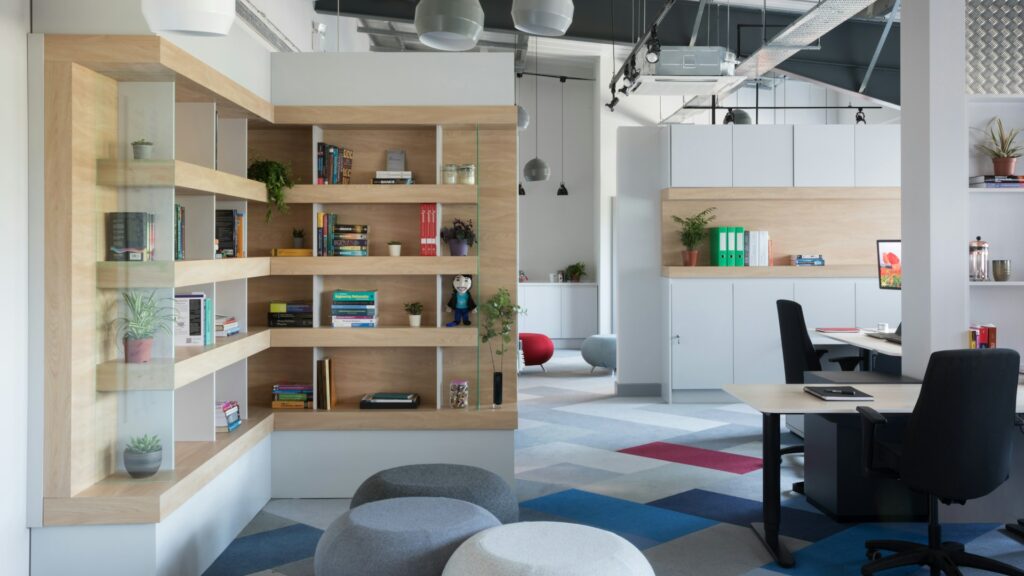
After years of optimizing my workspace for speed, I redesigned it for slow creativity instead. The goal shifted from maximum output to maximum presence. Designing a workspace that fuels slow, intentional creativity turned out to be less about buying things and more about choosing what the space asks of me.
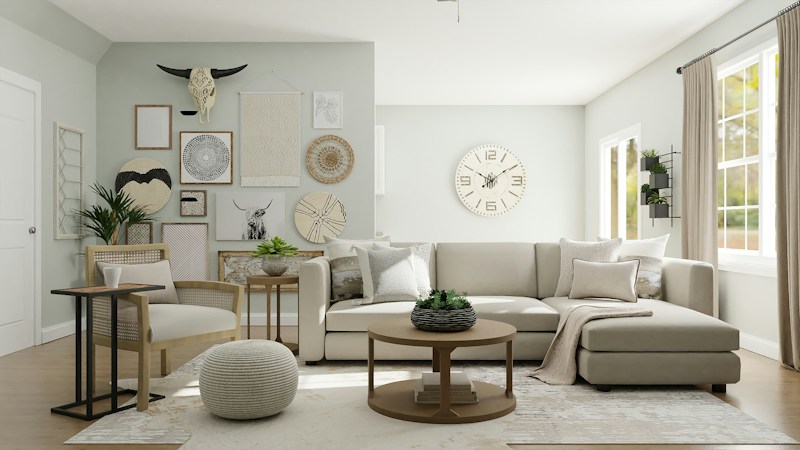
Natural Materials for a Slow Creativity Workspace
I swapped plastic organizers for wood, ceramic, and linen. Natural materials age gracefully and feel good to touch, which sounds trivial until you notice how often your hands meet your desk. A slow creativity workspace should feel like a place, not a station.
Warm, Indirect Light
Overhead fluorescents are the enemy of lingering. I use a warm desk lamp plus a soft background glow, and I work near a window whenever possible. Warm indirect light tells the nervous system there is no emergency, which is exactly when the best ideas arrive.
Useful Sound Choices
Silence, rain sounds, or familiar instrumental music, chosen deliberately rather than defaulted to. I keep a “slow work” playlist that has become a Pavlovian focus cue. Sound is part of the architecture of a slow creativity workspace.
Personal Energy and Creative Nests
I added objects with personal energy: a stone from a favorite trip, a print from a friend, a plant I have kept alive for years. And I created multiple creative nests: the desk for focused work, a chair for reading and sketching, the floor cushion for thinking. Different postures invite different thoughts.
More slow living: designing a workspace for freelance flow, how slow living changed my creativity, and finding beauty in slow mornings.
