
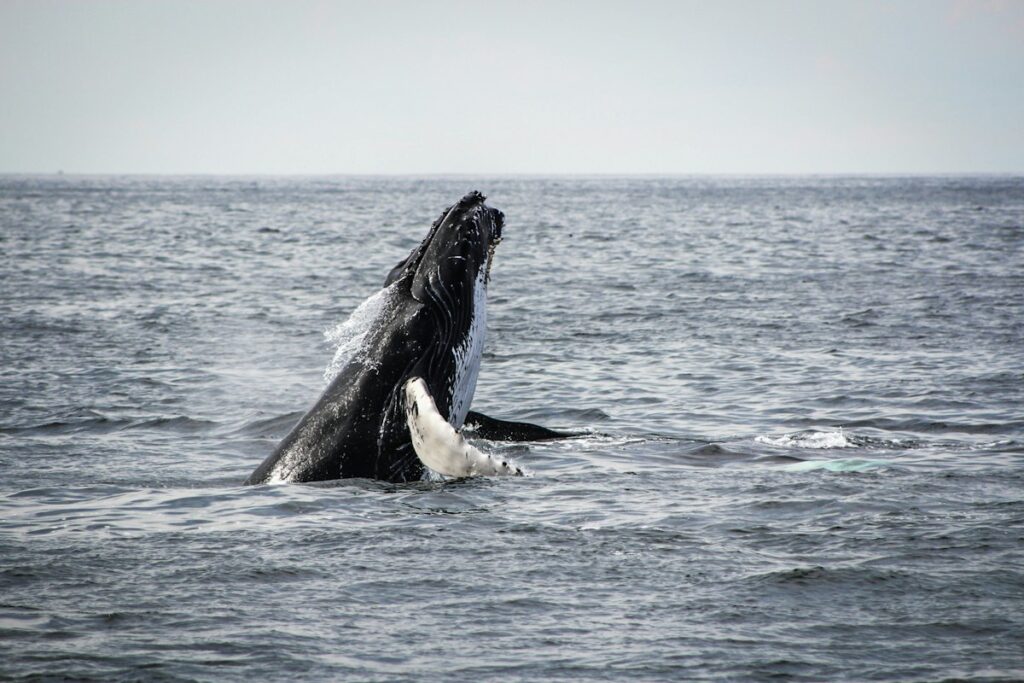
California’s coastline sits at the crossroads of the Pacific’s great whale migrations, making it one of the finest whale watching regions on Earth. Cold, nutrient-rich currents fuel extraordinary marine productivity, drawing blue whales, humpbacks, gray whales, orcas, and more to feed, breed, and migrate along these shores. What makes whale watching California style exceptional is the year-round action. Unlike destinations with a single short season, different species rotate through California waters across the calendar, so there is almost always something magnificent to see.
The best whale watching tours California operators run are led by naturalists who read the water like a book, finding whales with a consistency that surprises first-timers. Even seasoned travelers find themselves speechless when a humpback surfaces nearby. This guide covers ten of the best places for whale watching in California, from the famous Monterey Bay to hidden coastal gems. You will learn which whales appear when, how to choose a responsible tour, and tips for making your trip unforgettable.
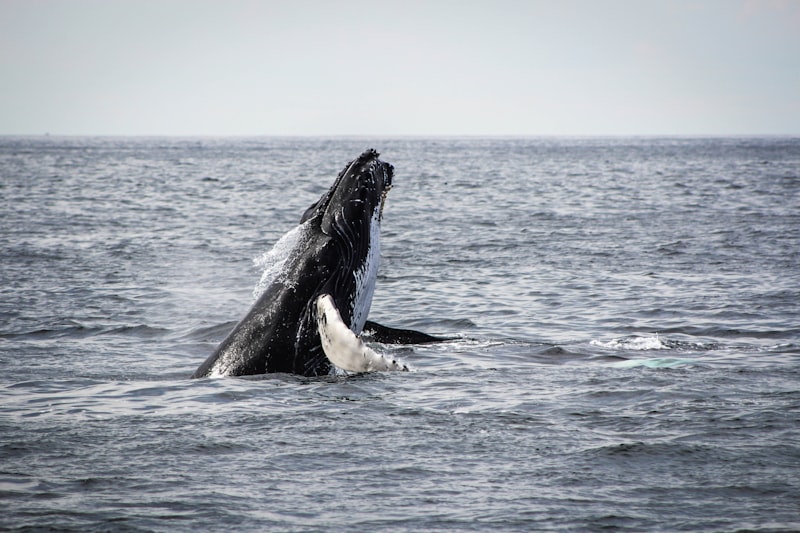
Table of Contents
- 10 Best Places for Whale Watching in California
- Best Places for Whale Watching in California: Comparison
- Whale Watching Guide: Planning Your Trip
- Frequently Asked Questions
- Conclusion
10 Best Places for Whale Watching in California
1. Monterey Bay
Monterey Bay is widely considered the crown jewel of California whale watching, and for good reason. A massive underwater canyon brings deep water and its bounty of krill and anchovies close to shore, attracting an extraordinary diversity of species. Humpbacks feed here in spectacular numbers through summer and fall, blue whales arrive in late summer, and gray whales pass during migrations. Few California whale watching spots match this year-round richness.
The town of Monterey offers numerous tour operators with experienced naturalists, and the bay’s protected waters make for comfortable boating. Book morning trips for the calmest seas, dress in warm layers since ocean temperatures stay cool, and bring binoculars for distant spouts. Among the top whale watching locations California boasts, Monterey Bay is the essential first choice for first-timers and serious enthusiasts alike. Many visitors plan return trips specifically for the bay’s ever-changing cast of marine giants.
2. The Channel Islands
The Channel Islands National Park, reached from Ventura or Oxnard, offers whale watching in a spectacular island setting. The channel between the mainland and islands funnels migrating gray whales in winter and spring, while summer brings blue and humpback whales feeding in the rich waters. Watching whales with the rugged islands as a backdrop is pure magic.
Full-day trips often combine whale watching with island exploration, visiting sea caves and pinniped rookeries. The crossing can be rough, so prepare accordingly if you are prone to seasickness. Among the best places for whale watching in California for adventurous travelers, the Channel Islands deliver a wilder, more expedition-like experience than mainland harbor departures.
3. San Diego
San Diego anchors the southern end of the gray whale migration, offering excellent winter whale watching as thousands of grays pass close to shore on their journey between Alaska and Baja breeding lagoons. The city’s mild winter weather makes for pleasant boating, and the migration’s predictability gives San Diego tours impressive success rates from December through April.
Summer brings a different show: blue whales, the largest animals on Earth, feed offshore in some years, along with fin whales and pods of dolphins that delight every trip. San Diego’s operators run year-round, making it one of the most convenient California whale watching spots for travelers combining whales with a Southern California vacation. The knowledgeable naturalists here are among the coast’s best.
4. Point Reyes National Seashore
Point Reyes offers some of the finest land-based whale watching in California. During the gray whale migration, these magnificent animals pass remarkably close to headlands like Chimney Rock and Point Reyes Lighthouse. Watching a forty-ton whale surface below the cliffs, with seabirds wheeling and elephant seals hauled out nearby, is an unforgettable wild California experience.
The winter months of January through March bring the southbound migration, while March through May offers northbound mothers with calves traveling closer to shore. Bring binoculars, dress for wind, and check the park’s whale updates. Among the best places for whale watching in California without boarding a boat, Point Reyes is unmatched for dramatic coastal scenery paired with reliable sightings.
5. Santa Cruz
Just north of Monterey Bay, Santa Cruz offers excellent whale watching with a classic beach town vibe. Humpback whales feed in the bay through summer and fall, often lunge-feeding near the surface in displays that thrill every boat. Gray whales pass during migration seasons, and the resident dolphins and sea lions keep every trip lively.
The harbor area makes trip logistics easy, with operators departing steps from restaurants and the famous boardwalk. Combine a morning whale watch with an afternoon on the beach for a perfect Santa Cruz day. Among California whale watching spots, Santa Cruz suits families and casual travelers who want great whales without venturing far from classic California beach culture.
6. Dana Point
Dana Point proudly calls itself a whale watching capital, and the claim has merit. This Orange County harbor sits near productive offshore waters where gray whales migrate in winter and blue whales feed in summer. The town’s whale heritage runs deep, with an annual Festival of Whales celebrating the migration each spring.
Operators here benefit from generally calm seas and short runs to whale-rich waters, making trips comfortable for beginners and children. Dolphin encounters are almost guaranteed year-round, with massive pods of common dolphins frequently joining boats. For the best whale watching tours California offers in Southern California, Dana Point combines reliability, comfort, and genuine local expertise.
7. Farallon Islands from San Francisco
The Farallon Islands, twenty-six miles off San Francisco, are among the wildest places in California. These rugged islands host the largest seabird colony in the continental United States, plus elephant seals, sea lions, and the great white sharks that hunt them. Whale watching trips here pass through waters where humpbacks, grays, and occasionally blue whales feed.
This is expedition whale watching: open-ocean swells, dramatic island scenery, and wildlife in raw abundance. Trips run primarily in summer and fall when conditions allow. Among the top whale watching locations California offers for serious nature lovers, the Farallones deliver an experience closer to Alaska than to a harbor cruise. Dress warmly and embrace the adventure.
8. Morro Bay
Morro Bay’s sleepy Central Coast charm hides excellent whale watching. Gray whales migrate past this iconic volcanic rock landmark, and humpbacks increasingly feed in the area during summer and fall. The small harbor’s operators offer intimate trips with a personal touch that larger ports cannot match.
The surrounding area rewards extended stays: kayak the estuary with sea otters, explore tide pools, and drive the spectacular Big Sur coastline nearby. Among the best places for whale watching in California for travelers seeking a quieter experience, Morro Bay pairs good whales with the Central Coast’s relaxed magic. It is the connoisseur’s choice for unhurried coastal exploration.
9. Long Beach and Los Angeles Harbors
Urban whale watching sounds improbable until you try it. Boats departing from Long Beach, San Pedro, and Marina del Rey reach productive waters quickly, where gray whales migrate in winter and blue and fin whales feed in summer. The surreal contrast of breaching whales against the Los Angeles skyline creates unforgettable images.
These departures suit travelers based in LA who want whales without a dedicated coastal road trip. Trips are typically shorter and more affordable than expedition-style outings, making them ideal for families and first-timers. For where to see whales in California with maximum convenience, the LA harbors prove that world-class wildlife viewing can thrive beside a world-class city.
10. Mendocino Coast
The rugged Mendocino Coast offers whale watching in its most dramatic setting. Gray whales migrate close to these headlands, visible from shore at places like Point Arena and Mendocino Headlands State Park. Boat trips are fewer than in southern ports, but the combination of whales, sea stacks, and redwood forests is uniquely Northern Californian.
Winter and spring bring the migrations; summer offers calmer seas and resident marine life. Pair whale watching with the region’s charming villages, botanical gardens, and glass beach. Among California whale watching spots, Mendocino suits travelers who want their whale encounters wrapped in moody coastal beauty and far from crowds. It is California whale watching at its most poetic.
Best Places for Whale Watching in California: Comparison
Compare all ten locations to choose the whale watching California experience that fits your trip.
Whale Watching California: At-a-Glance Comparison
| Location | Best For | Signature Species | Peak Season |
|---|---|---|---|
| Monterey Bay | Year-round diversity | Humpbacks, blues | Year round |
| Channel Islands | Adventure seekers | Grays, blues | Winter, summer |
| San Diego | Winter migration | Gray whales | December to April |
| Point Reyes | Shore watching | Gray whales | January to May |
| Santa Cruz | Families | Humpbacks | Summer, fall |
| Dana Point | Reliable sightings | Grays, blues, dolphins | Year round |
| Farallon Islands | Wildlife enthusiasts | Humpbacks, seabirds | Summer, fall |
| Morro Bay | Quiet charm | Grays, humpbacks | Winter, summer |
| Long Beach and LA | Convenience | Grays, blues | Winter, summer |
| Mendocino Coast | Scenic solitude | Gray whales | Winter, spring |
Whale Watching Guide: Planning Your Trip
California Whale Seasons at a Glance
Gray whales migrate south from December through February and north from March through May, with mothers and calves traveling closest to shore on the northbound leg. Humpbacks feed in California waters from roughly May through November, with peak lunge feeding in late summer and fall. Blue whales, the largest animals on Earth, typically appear from June through October in years when krill is abundant. Orcas visit seasonally in certain areas. This rotation means the best places for whale watching in California offer something spectacular in every season.
Choosing a Responsible Tour Operator
The best whale watching tours California operators run follow responsible wildlife viewing guidelines: maintaining respectful distances, limiting time with individual animals, and employing trained naturalists. Look for operators affiliated with whale conservation organizations and those whose naturalists clearly prioritize the animals’ welfare over close encounters. Responsible viewing protects whales and actually improves sightings, since unstressed animals behave more naturally. Ask how the crew handles encounters before booking; the best operators will happily explain their approach.
What to Bring on the Water
Dress in warm layers regardless of the onshore weather; ocean conditions run twenty degrees cooler with wind chill. Bring sunscreen, sunglasses, and a hat for glare off the water. Binoculars dramatically improve distant sightings, letting you spot spouts long before the boat gets close. If you are prone to motion sickness, take preventative medication well before boarding and choose larger, stable vessels. A camera with zoom captures memories, but remember to watch with your eyes too.
Shore Watching Tips
You do not always need a boat. During migrations, gray whales pass close to headlands at spots like Point Reyes and along the Big Sur coast. Scan methodically with binoculars, watching for spouts, then backs, then flukes. Early morning often offers the calmest seas and best light. Patience is essential; whales surface on their own schedule. Some of the most magical encounters among the top whale watching locations California offers happen from shore, with whales passing almost directly below the cliffs.
Photographing Whales
Whale photography rewards preparation and patience. Use a fast shutter speed to freeze breaching action, keep your camera ready during active feeding, and shoot in bursts. A zoom lens in the 200 to 400mm range suits boat-based photography. But the golden rule remains: experience first, photograph second. The memory of a humpback breaching beside the boat outlasts any image, and the best whale watching tours California naturalists lead will position you well if you stay ready. If ocean wildlife has your heart, pair this trip with our best scuba diving destinations or the best places to snorkel around the world. Planning more coastal travel? See the best times to visit Hawaii.
Frequently Asked Questions About Whale Watching in California
What are the best places for whale watching in California?
Monterey Bay leads for year-round diversity, San Diego and Dana Point excel for winter gray whale migrations, and the Channel Islands offer adventurous island trips. The best places for whale watching in California depend on season and species: choose Monterey for variety, San Diego for winter grays, and Point Reyes for shore-based viewing.
When is the best time to see whales in California?
It depends on the species. Gray whales migrate December through May, humpbacks feed May through November, and blue whales appear roughly June through October. This means where to see whales in California always has an answer; there is excellent whale watching somewhere along the coast in every month of the year.
What whales can I see in California?
California waters host gray whales, humpback whales, blue whales, fin whales, minke whales, orcas, and several dolphin species. Monterey Bay offers the greatest diversity. Blue whales, the largest animals ever known, feed off Southern California in summer, while gray whales provide the most reliable winter sightings along the entire coast. Even a single trip can deliver multiple species when conditions align.
How do I choose the best whale watching tours in California?
Look for operators with experienced naturalists, responsible wildlife viewing practices, and good safety records. Read recent reviews focusing on sighting success and crew knowledge. The best whale watching tours California companies operate use appropriate vessel sizes for the conditions and never harass the animals. Morning departures usually offer calmer seas.
Can I see whales from shore in California?
Absolutely. During migrations, gray whales pass close to headlands at Point Reyes, Big Sur, and the Mendocino Coast. Bring binoculars, arrive early for calm seas, and scan patiently for spouts. Shore watching is free, crowd-free, and sometimes delivers astonishingly close encounters as whales travel near the cliffs.
What should I wear whale watching?
Dress in warm layers with a windproof outer shell, even on sunny days. Ocean temperatures and wind chill make conditions feel much colder than onshore. Wear sunscreen and bring sunglasses for glare. Non-slip footwear is wise on boat decks. Being warm and comfortable lets you focus on the whales instead of shivering, which makes the whole experience far more enjoyable.
Conclusion
The best places for whale watching in California offer something no aquarium can: wild giants in their ocean home, on their own terms. From Monterey Bay’s year-round abundance to San Diego’s winter migrations, from shore-based vigils at Point Reyes to expeditions among the Farallones, California’s coast delivers whale encounters that humble and thrill in equal measure. Choose your season, pick a responsible operator, dress warmly, and keep your eyes on the water. The whales are out there, and meeting them is an experience you will carry forever. For science-backed marine life information, see NOAA Fisheries and the Monterey Bay Aquarium.

3 thoughts on “10 Best Places for Whale Watching in California: Where Giants Meet the Shore”