
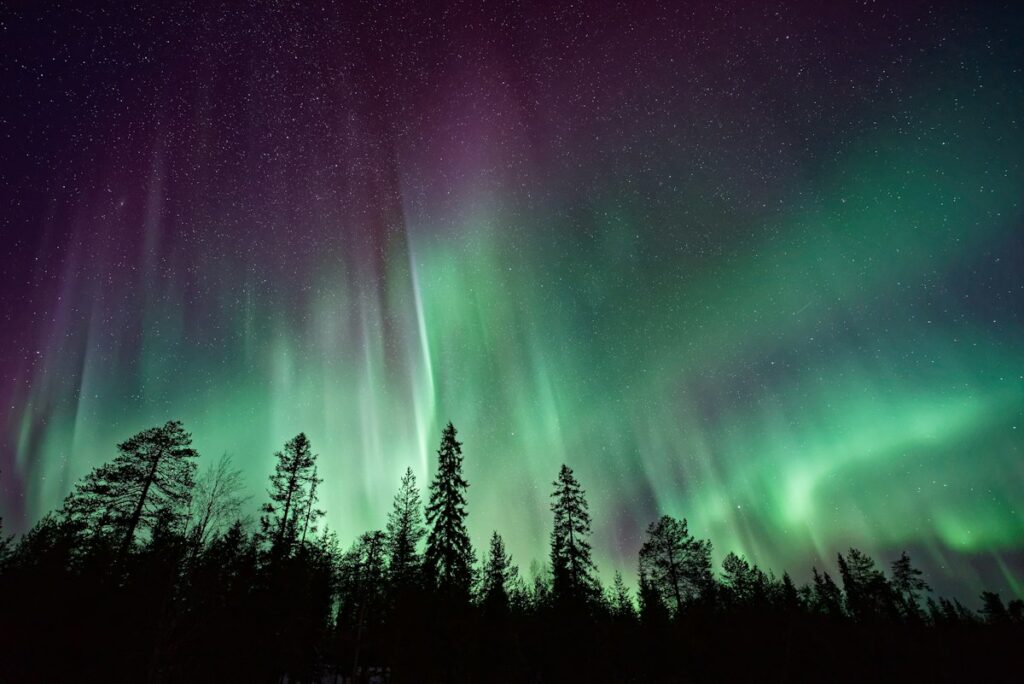
Few natural phenomena inspire pilgrimage like the aurora borealis. Ribbons of green, violet, and red light dancing across a star-filled Arctic sky create memories that outshine almost any other travel experience. But the northern lights are gloriously unpredictable, governed by solar winds and Arctic weather. The good news is that northern lights viewing has never been more accessible, and knowing where to go and when turns a hopeful trip into a calculated adventure with excellent odds.
Destinations across the Arctic have built infrastructure specifically for lights hunters: heated viewing lodges, expert guides who read solar data, and tours that chase clear skies across borders. Understanding where to see the northern lights, when to go, and how to maximize your odds separates successful chasers from disappointed tourists. This guide covers ten of the best northern lights viewing spots around the world, each with its own character, from remote wilderness camps to vibrant Arctic cities. The lights are worth the journey; this guide makes sure the journey counts.
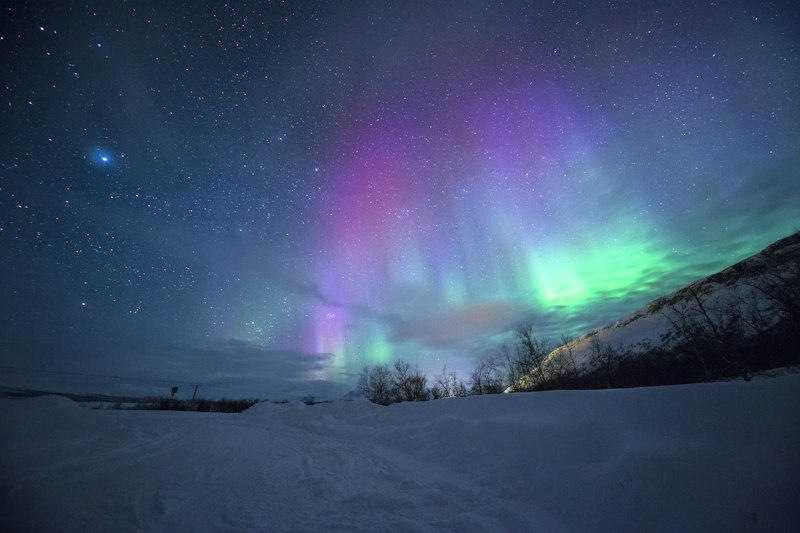
Table of Contents
- 10 Best Northern Lights Viewing Spots Around the World
- Best Places to See the Northern Lights: Comparison
- Aurora Trip Planning Guide
- Frequently Asked Questions
- Conclusion
10 Best Northern Lights Viewing Spots Around the World
1. Tromso, Norway
Tromso has earned its reputation as one of the best places to see the northern lights through a rare combination: it sits directly under the auroral oval, enjoys a relatively mild coastal climate, and offers superb infrastructure. This lively Arctic city of museums, restaurants, and breweries means you can chase the lights at night and enjoy civilization by day. Few aurora destinations balance wilderness and comfort this well.
The viewing strategy here often involves chasing. Local guides monitor cloud cover and drive groups to clear skies, sometimes crossing into Finland when necessary. Stay at least four or five nights to build in weather insurance, since Arctic clouds are the eternal wildcard. Among top aurora viewing destinations, Tromso suits travelers who want strong odds without sacrificing restaurants, culture, and a real bed in a real hotel.
2. Reykjavik and South Iceland
Iceland pairs aurora hunting with some of the planet’s most dramatic landscapes, making it one of the most rewarding places for where to see the northern lights. Base yourself in Reykjavik for city comforts and join guided tours to dark-sky locations, or rent a car and chase the lights along the south coast past waterfalls and black sand beaches. The combination of aurora overhead and glacier landscapes below is unmatched.
Icelandic weather is famously volatile, so flexibility is essential. Clouds can blanket the island for days, then part spectacularly. The best time to see northern lights in Iceland runs from September through March, with the darkest months offering the longest viewing windows. Dress for serious wind and cold, keep your itinerary loose, and let the aurora forecast guide your nightly plans rather than rigid bookings.
3. Finnish Lapland
Finnish Lapland turned aurora viewing into an art form with its famous glass-roofed cabins, where you can watch the lights from a warm bed. Destinations like Rovaniemi, Levi, and the far north around Kilpisjarvi sit under prime auroral latitudes with long dark winters. The Finnish approach emphasizes comfort: reindeer safaris by day, saunas by evening, and the aurora as the nightly headline act.
The glass cabin experience is magical but books out far in advance for peak season, so plan early. For stronger odds, head as far north as your itinerary allows and stay multiple nights. Among the best northern lights viewing spots, Finnish Lapland is ideal for couples and comfort seekers who want the aurora wrapped in a cozy winter wonderland rather than a rugged expedition.
4. Abisko, Sweden
Abisko’s claim to fame is its famous blue hole, a patch of sky that statistically stays clearer than surrounding areas due to local wind patterns off nearby mountains. This microclimate gives Abisko some of the most reliable viewing conditions in Scandinavia, earning it a devoted following among serious aurora photographers. The STF mountain station and the chairlift to the Aurora Sky Station put you above the valley clouds with panoramic northern horizons.
The experience here is wonderfully focused. Days offer cross-country skiing and husky sledding in pristine wilderness; nights are devoted entirely to the sky. It is more remote and quieter than Tromso or Reykjavik, which suits travelers who find crowds antithetical to nature’s greatest show. For the best places to see the northern lights with minimal light pollution and maximum serenity, Abisko is hard to surpass.
5. Yellowknife, Canada
Yellowknife in Canada’s Northwest Territories sits squarely under the auroral oval and boasts remarkably flat, open terrain with big northern skies. It is one of the most reliable top aurora viewing destinations in North America, with long cold winters providing the darkness the lights require. Purpose-built viewing lodges outside town offer heated comfort with unobstructed horizons.
The cold here is serious, often plunging far below freezing, so expedition-grade clothing is mandatory rather than optional. But the payoff is extraordinary: on active nights the aurora can fill the entire sky directly overhead in a corona display that silences even seasoned chasers. Combine the lights with Indigenous cultural experiences and winter activities like ice road adventures for a deeply Canadian Arctic journey.
6. Fairbanks, Alaska
Fairbanks offers Americans the most accessible serious aurora destination, located under the auroral oval with a well-developed tourism infrastructure. The viewing season runs from late August through April, one of the longest windows anywhere. Hot springs resorts in the surrounding hills let you soak in steaming water while the lights dance above, an experience that justifies the trip on its own.
Local wisdom says to stay at least three nights and to be willing to stay up late, as the best displays often arrive after midnight. Guides and lodge hosts monitor conditions and wake guests when the sky ignites. Among the best places to see the northern lights without leaving the United States, Fairbanks combines accessibility, long seasons, and genuine wilderness in a package that works for first-time chasers.
7. The Lofoten Islands, Norway
The Lofoten Islands add jaw-dropping scenery to the aurora equation: jagged peaks rising straight from Arctic surf, traditional fishing cabins, and surf beaches above the Arctic Circle. Photographers consider Lofoten among the best northern lights viewing spots on earth because the foregrounds are as spectacular as the sky. An aurora reflected in a still Arctic fjord is the kind of image that wins competitions.
Coastal weather brings more clouds than inland destinations, so build extra nights into your stay. The islands reward slow travel: drive the scenic routes by day, photograph fishing villages at blue hour, and watch the sky whenever it clears. For travelers who want the lights plus world-class landscapes, Lofoten delivers the most photogenic aurora experience in Norway.
8. Churchill, Canada
Churchill, Manitoba is famous for polar bears, but it doubles as a superb aurora destination under the auroral oval with minimal light pollution. Winter visits combine two bucket-list wildlife and sky experiences: bears in autumn, lights in the deep winter months. Purpose-built tundra buggies and viewing domes make the extreme environment comfortable and safe.
Remoteness is both the appeal and the challenge. Getting there requires commitment, and the cold demands respect. But for travelers seeking the best places to see the northern lights far from crowds, Churchill offers profound Arctic solitude. The combination of beluga whales in summer and aurora in winter makes it a year-round Arctic destination for the truly adventurous.
9. Svalbard, Norway
Svalbard, the Arctic archipelago far north of mainland Norway, offers something no other destination can: the polar night, when the sun never rises for months and the aurora can appear at midday. This is the frontier of lights chasing, a place of glaciers, polar bears, and frontier town Longyearbyen. For the ultimate Arctic adventure, Svalbard stands alone among top aurora viewing destinations.
The polar night season runs roughly from November through February, with the daytime aurora visible even in the twilight hours. Strict safety rules apply due to polar bear risk; never wander outside settlements without a guide. This destination suits experienced Arctic travelers seeking the extraordinary rather than first-timers wanting comfort. The lights here feel wilder, seen from the edge of the habitable world.
10. The Scottish Highlands
The aurora occasionally graces the northern Scottish Highlands and islands, offering a wildcard option for travelers already visiting Britain. While far less reliable than Arctic destinations, strong solar storms can push the lights south to dark-sky spots in Caithness, Skye, and the Outer Hebrides. The appeal is combining aurora hunting with Scotland’s castles, whisky, and dramatic coastlines.
Treat Scotland as a bonus rather than a primary aurora destination. Monitor solar activity forecasts and be ready to drive to dark skies on short notice during strong geomagnetic storms. Among places for where to see the northern lights unexpectedly, a surprise aurora over a Highland loch is pure magic precisely because it is unplanned. But for guaranteed chasing, the Arctic destinations above remain the serious choices.
Best Places to See the Northern Lights: Comparison
Compare all ten aurora destinations to choose the northern lights viewing trip that fits your style and budget.
Northern Lights Viewing: At-a-Glance Comparison
| Destination | Best For | Key Advantage | Consideration |
|---|---|---|---|
| Tromso, Norway | First-time chasers | City comfort plus strong odds | Changeable coastal weather |
| Reykjavik, Iceland | Landscape lovers | Aurora plus epic scenery | Volatile weather |
| Finnish Lapland | Couples and comfort | Glass cabins and saunas | Books out early |
| Abisko, Sweden | Photographers | Reliable clear skies | Remote and quiet |
| Yellowknife, Canada | Dedicated chasers | Big skies, strong oval position | Extreme cold |
| Fairbanks, Alaska | US travelers | Long season, accessible | Late-night viewing |
| Lofoten Islands, Norway | Scenery photographers | Spectacular foregrounds | Coastal clouds |
| Churchill, Canada | Wildlife plus lights | Profound solitude | Difficult access |
| Svalbard, Norway | Arctic adventurers | Polar night viewing | Frontier conditions |
| Scottish Highlands | Bonus sightings | Combined with Scotland trip | Unreliable |
Aurora Trip Planning Guide
Understanding the Best Time to See Northern Lights
The best time to see northern lights combines three ingredients: darkness, solar activity, and clear skies. The viewing season generally runs from September through March, when Arctic nights are long and dark. The equinox months of September and March are statistically favored because geomagnetic activity peaks around the equinoxes. Deep winter offers the longest darkness but also the harshest weather.
Solar activity follows a roughly eleven-year cycle, and we are currently in an active period, which is excellent news for chasers. Check aurora forecast services that report the Kp index, a scale of geomagnetic activity, and cloud cover predictions. A high Kp with clear skies is the golden combination. Plan trips of at least four to five nights to allow for cloudy spells; single-night visits are lottery tickets.
What to Pack for Arctic Nights
Proper clothing makes or breaks aurora trips. Dress in layers: thermal base layers, insulating mid layers, and windproof outer shells. Insulated boots, thick socks, glove liners under mittens, and full head coverage including neck protection are essential. Standing still watching the sky chills you far faster than daytime activity, so overpack warmth. Hand and foot warmers are cheap insurance for long vigils.
Photographing the Aurora
Capturing the lights requires a camera with manual controls, a sturdy tripod, and patience. Use a wide-angle lens, high ISO, and exposures of several seconds, adjusting as the aurora’s brightness changes. Focus manually on a distant light or bright star. Keep spare batteries warm in an inside pocket, since cold drains them quickly. Even without a camera, though, put the phone down sometimes and simply watch; the best northern lights viewing spots reward presence as much as photography.
Guided Tours Versus Independent Chasing
Guides earn their fees through local knowledge: reading micro weather patterns, knowing dark-sky locations, and providing thermal suits and hot drinks. For first-timers, a guided tour or two early in the trip builds skills and confidence. Independent chasing with a rental car offers freedom and saves money for experienced travelers comfortable with night driving on Arctic roads. Many successful trips blend both approaches.
Setting Realistic Expectations
The aurora is nature, not a show with a schedule. Some nights deliver faint grayish arcs barely visible to the naked eye; others explode into corona displays that fill the sky. Cameras capture colors more vividly than eyes perceive them, so expect subtle beauty rather than neon spectacle on average nights. Embrace the full Arctic experience: dog sledding, ice hotels, Sami culture, and winter landscapes ensure a wonderful trip even if the lights prove shy. Pair the adventure with our Scotland travel guide for the Highland aurora wildcard, best places to live in Canada for Yellowknife context, or the best wildlife destinations for Churchill’s polar bears.
Frequently Asked Questions About the Best Places to See the Northern Lights
What are the best places to see the northern lights for first-timers?
Tromso in Norway, Reykjavik in Iceland, and Fairbanks in Alaska are among the best places to see the northern lights for beginners. They combine strong auroral positioning with good infrastructure, guided tours, and comfortable accommodations. Stay at least four nights to allow for weather, and book a guided chasing tour early in your trip.
What is the best time to see northern lights?
The best time to see northern lights is from September through March, when nights are dark enough for viewing. The equinox months of September and March are statistically favorable, while December through February offer the longest darkness. Check the Kp index forecast and cloud cover predictions nightly, and plan trips of several nights to maximize your odds.
Can you see the northern lights every night in winter?
No. The aurora depends on solar activity reaching Earth and clear skies overhead. Even in the best northern lights viewing spots, clouds can hide the sky for days. This is why multi-night stays matter: they give you several chances for the ingredients to align. Patience and flexibility are the chaser’s most important equipment.
How should I dress for aurora viewing?
Dress far warmer than you think necessary. Layer thermal base layers, insulating mids, and windproof shells, plus insulated boots, thick socks, mittens over glove liners, and full head and neck coverage. You will stand still in the cold for extended periods, which chills the body quickly. Many top aurora viewing destinations offer thermal suits on guided tours.
Can I photograph the northern lights with a phone?
Modern phones with night modes can capture surprisingly decent aurora images, especially during strong displays. Use a tripod or prop the phone steady, enable night mode, and keep the lens clean. For the best results, a camera with manual controls still wins. But phones are excellent for the experience itself: quick shots, then eyes on the sky.
Is it worth traveling just for the northern lights?
Yes, with the right mindset. The best places to see the northern lights also offer extraordinary winter experiences: husky sledding, ice hotels, Arctic culture, and pristine snowy landscapes. Travelers who embrace the full Arctic adventure love their trips regardless, and those who catch a great display call it life-changing. Just allow enough nights and keep expectations joyfully realistic.
Conclusion
The best places to see the northern lights share prime position under the auroral oval, long dark winters, and the infrastructure to keep you warm while you wait. Whether you choose the comfort of Finnish Lapland, the adventure of Svalbard, or the accessibility of Fairbanks, success comes from the same formula: travel in season, stay multiple nights, watch the forecasts, dress warmly, and remain patient. The aurora has humbled and thrilled humans for millennia. Plan well, and it will do the same for you. For real-time space weather data, see the NOAA Space Weather Prediction Center and Visit Norway.

2 thoughts on “10 Best Places to See the Northern Lights Around the World”