
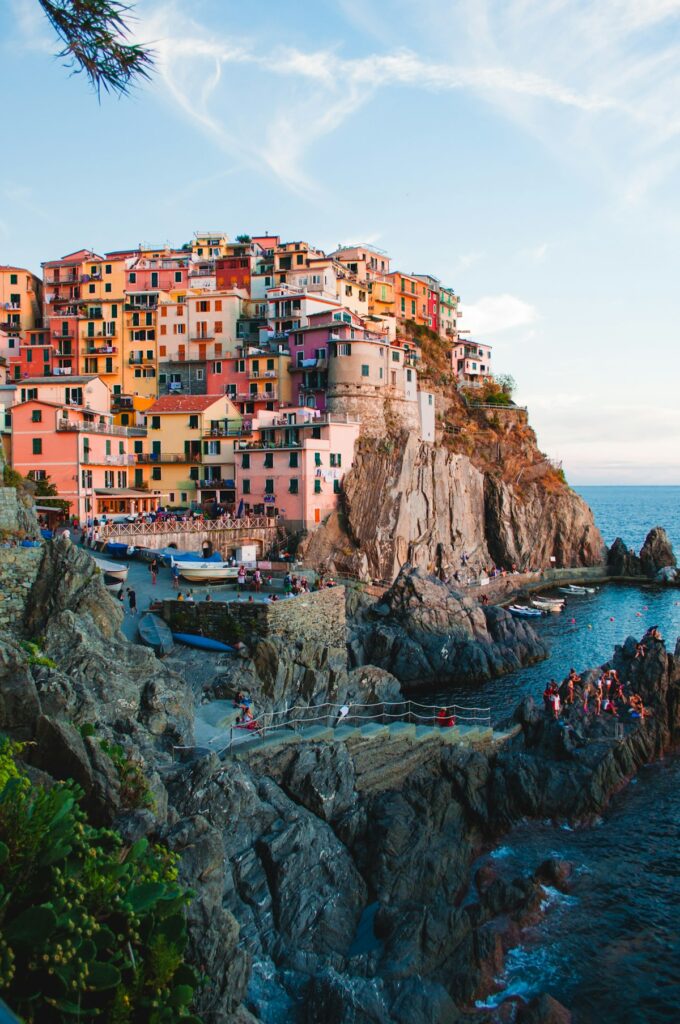
Croatia packs an astonishing variety into a compact Adriatic coastline: medieval walled cities, over a thousand islands, waterfall-laced national parks, and a food and wine culture shaped by centuries of Mediterranean trade. These Croatia travel destinations deliver something rare in modern travel, blockbuster scenery paired with genuine depth. What surprises first-time visitors is the depth beyond the beaches. Yes, the Adriatic is impossibly clear and blue, but Croatia’s inland regions hold castle-dotted hills, truffle forests, and thermal spas with Roman roots.
The best Croatian islands to visit each have distinct personalities, from party-famous shores to sleepy fishing villages where time seems negotiable. Ferries stitch the islands together, coastal highways deliver one stunning vista after another, and every region guards its own culinary traditions. It is a country built for explorers who like their beauty served with substance. This guide covers ten essential places, what makes each special, and how to experience the country beyond the obvious.
Table of Contents
- 10 Best Places to Visit in Croatia
- Best Places to Visit in Croatia: Comparison
- Croatia Travel Guide: Planning Your Trip
- Frequently Asked Questions
- Conclusion
10 Best Places to Visit in Croatia
1. Dubrovnik’s Old Town
No list of the best places to visit in Croatia can begin anywhere else. Dubrovnik’s medieval walls encircle a marble-paved old town of baroque churches, Renaissance palaces, and hidden courtyards that glow amber at sunset. Walking the full circuit of the city walls delivers the essential panorama: terracotta rooftops cascading to a glittering Adriatic, with the island of Lokrum floating offshore.
The key to loving Dubrovnik is timing. Visit early morning or late afternoon to dodge the cruise ship peaks, and consider the shoulder seasons of May and September when the weather stays glorious but the crowds thin. Among top Croatia travel destinations, Dubrovnik rewards those who linger: take the cable car up Mount Srd at sunset, kayak the city walls at dawn, and get lost in the side streets where laundry lines and local life continue behind the postcard facades.
2. Split and Diocletian’s Palace
Split is the rare ancient monument that never became a museum. The Roman emperor Diocletian built his retirement palace here seventeen centuries ago, and the city simply grew inside and around it. Today cafes fill Roman courtyards, shops occupy ancient cellars, and laundry hangs from windows set in walls older than most nations. Among the best coastal towns in Croatia, Split pulses with living history.
Base yourself here for several days. The palace complex rewards unhurried exploration: climb the bell tower for harbor views, descend into the atmospheric basement halls, and people-watch along the Riva promenade at golden hour. Split also serves as the ideal launchpad for island hopping, with ferries departing for Hvar, Brac, and Vis. It is the most practical and vibrant of the Croatia must-see places.
3. Hvar Island
Hvar has a reputation as Croatia’s glamour island, and its harbor town of yacht-lined waterfronts and hilltop fortresses partly earns it. But the island’s soul lies beyond the scene: lavender fields blooming purple in early summer, ancient olive groves, quiet coves reachable only by boat, and the hauntingly beautiful abandoned villages of the interior. The best Croatian islands to visit reward those who rent a scooter and explore.
Visit in June or September to enjoy warm seas without peak-season intensity. Climb to the Spanjola fortress for the classic harbor panorama, then escape to the Pakleni Islands for swimming in crystalline water. Hvar Town’s nightlife is legendary, but the island’s vineyards and the serene town of Stari Grad, one of Europe’s oldest settlements, offer a completely different and equally compelling Hvar.
4. Plitvice Lakes National Park
Inland Croatia holds one of Europe’s great natural wonders. Plitvice Lakes is a cascade of sixteen terraced lakes connected by hundreds of waterfalls, wrapped in beech forest that flames with color in autumn. Wooden boardwalks thread directly over and beside the turquoise water, creating an immersive experience that photographs cannot fully capture. It is deservedly among the best places to visit in Croatia for nature lovers.
Arrive at opening time to experience the upper lakes in near solitude, and plan for a full day since the trail systems reward thorough exploration. The park limits daily visitors, so book entry tickets in advance during summer. Autumn brings spectacular foliage and thinner crowds, while winter occasionally freezes the falls into sculptural ice. Among top Croatia travel destinations, Plitvice is the essential inland counterpoint to the coast.
5. Korcula Island
Korcula claims Marco Polo as a native son, and its old town is a miniature Dubrovnik of narrow lanes arranged in a fishbone pattern to catch cooling breezes. The island moves at a gentler pace than Hvar, with vineyards producing the distinctive Posip and Grk wines, quiet beaches, and the traditional Moreska sword dance performed in summer. For travelers seeking the best Croatian islands to visit without the party scene, Korcula is the answer.
Cycle the island’s interior through olive groves and vineyards, stopping at family wineries for tastings. The village of Lumbarda offers sandy beaches rare on the rocky Dalmatian coast. Korcula Town’s medieval walls and towers glow beautifully at dusk, and the sunsets over the Peljesac channel are unforgettable. It is sophisticated without being showy, historic without being crowded.
6. Rovinj in Istria
Rovinj is the jewel of the Istrian peninsula, a former island town of pastel houses climbing to a hilltop church, now connected to the mainland but retaining its insular charm. Venetian influence is everywhere: in the architecture, the bilingual signs, and the cuisine of truffles, olive oil, and seafood. Among the best coastal towns in Croatia, Rovinj is the most romantic.
Istria itself deserves days of exploration. The interior hides medieval hilltop villages like Motovun and Groznjan, truffle hunting in the Mirna valley forests, and some of Croatia’s finest wineries and olive oil producers. Base yourself in Rovinj for the coast and make day trips inland. The combination of Italianate coastal beauty and continental culinary richness makes Istria unlike anywhere else among the Croatia must-see places.
7. Krka National Park
Krka is Plitvice’s more swimmable sibling, a river canyon of travertine waterfalls and emerald pools near Sibenik. The famous Skradinski Buk waterfall thunders over seventeen cascades, and designated swimming areas let you float beneath the falls in summer. Wooden paths wind through the lush canyon, passing old watermills and the serene Visovac Island monastery.
Visit early or late in the day to avoid the midday crowds that arrive from coastal resorts. Combine Krka with nearby Sibenik, whose UNESCO-listed cathedral and hilltop fortresses deserve more attention than they receive. Among the best places to visit in Croatia for active families, Krka’s blend of swimming, walking, and history hits every note.
8. Vis Island
Vis was a military base closed to foreigners until the late twentieth century, and that isolation preserved something precious: an authentic island Croatia of fishing villages, family vineyards, and uncrowded coves. The island’s Blue Cave on nearby Bisevo glows with otherworldly azure light at midday, while the former submarine tunnels and Tito’s cave add Cold War intrigue. For travelers hunting the best Croatian islands to visit off the beaten path, Vis is the prize.
The towns of Vis and Komiza offer excellent seafood restaurants in atmospheric stone harbors. Rent a scooter to reach remote beaches like Stiniva, a pebble cove framed by towering cliffs. Vis demands a slower pace and rewards it richly; this is the island for travelers who want to feel they have discovered something rather than joined something.
9. Zagreb, the Capital
Too many visitors skip Zagreb, and they miss one of Europe’s most underrated capitals. The Upper Town’s medieval streets, the quirky Museum of Broken Relationships, the vibrant Dolac market, and a cafe culture that treats coffee as a sacred afternoon ritual all reward a couple of days. Zagreb shows the continental side of Croatia that coastal itineraries miss entirely.
The city’s green spaces, from Maksimir Park to the slopes of Medvednica mountain, offer easy nature escapes. In December, Zagreb’s Advent market transforms the center into a festive wonderland repeatedly voted among Europe’s best. Among top Croatia travel destinations, the capital provides context: this is where Croatians actually live, work, and argue about football, and understanding it deepens everything else you see.
10. The Peljesac Peninsula
The Peljesac Peninsula combines three Croatian passions: wine, oysters, and medieval walls. The town of Ston guards ancient salt pans still harvested traditionally and boasts some of the longest defensive walls in Europe. The peninsula’s steep vineyards produce Croatia’s boldest red wines, and the Mali Ston bay grows oysters prized since Roman times.
Drive the scenic coastal road, stopping at family wineries for tastings of the powerful local reds. Eat oysters pulled from the bay that morning in Ston, then walk the walls for panoramic views. Peljesac is easily combined with a Dubrovnik trip and offers a delicious detour into rural Dalmatian life. Among the Croatia must-see places for food and wine lovers, it is essential.
Best Places to Visit in Croatia: Comparison
Compare all ten of these Croatia travel destinations to design the Croatian itinerary that fits your travel style.
Croatia Travel Destinations: At-a-Glance Comparison
| Destination | Best For | Highlight | Ideal Season |
|---|---|---|---|
| Dubrovnik Old Town | History lovers | Medieval city walls | May, September |
| Split | Culture plus islands base | Diocletian’s Palace | May to October |
| Hvar Island | Island glamour | Harbor and lavender fields | June, September |
| Plitvice Lakes | Nature lovers | Waterfall cascades | Spring, Autumn |
| Korcula Island | Wine and quiet | Medieval old town | May to October |
| Rovinj, Istria | Romance and food | Venetian old town | May to October |
| Krka National Park | Families | Swimmable waterfalls | Summer |
| Vis Island | Off-path explorers | Blue Cave | June to September |
| Zagreb | City culture | Museums and cafe life | Year round |
| Peljesac Peninsula | Food and wine | Oysters and red wines | May to October |
Croatia Travel Guide: Planning Your Trip
When to Visit Croatia
The sweet spot for most travelers is May through June and September through early October. The Adriatic is warm enough for swimming, the crowds thin considerably compared to August, and prices drop from peak. July and August bring the hottest weather and the biggest crowds, especially in Dubrovnik and Hvar. Winter suits city trips to Zagreb and quiet coastal walks, but many island services close from November through March.
Getting Around: Ferries, Roads, and Islands
Croatia’s ferry network connects the coast and islands efficiently, with catamarans for passengers and larger ferries for cars. Book popular routes in advance during summer. Renting a car unlocks the interior, Istria, and the Peljesac peninsula beautifully; coastal roads are scenic but demand confident driving. Buses connect major cities reliably and cheaply for those skipping the rental.
How Many Days Do You Need
A week allows a satisfying highlights tour: Dubrovnik, Split, one island, and Plitvice. Ten to fourteen days opens up Istria, additional islands like Vis or Korcula, and Zagreb. Among the best places to visit in Croatia, resist the urge to rush; the country’s magic reveals itself in unhurried harbor evenings and spontaneous detours. Fewer stops with deeper stays beats a checklist sprint.
Food and Wine Essentials
Croatian cuisine varies dramatically by region: Istrian truffles and olive oils, Dalmatian seafood and peka slow-cooked dishes, continental hearty stews. Try the local wines, from Istrian Malvasia to Dalmatian reds, and do not skip the oysters in Mali Ston. Konobas, traditional taverns, serve the most authentic meals; look for handwritten menus and local families at the tables.
Money Saving Tips
Travel in shoulder season for lower accommodation prices and thinner crowds. Apartments with kitchens cut food costs dramatically and are widely available. Among top Croatia travel destinations, Dubrovnik commands the highest prices; balance it with affordable gems like Split, Sibenik, or inland towns. Book ferries and national park tickets early, and take advantage of free joys: swimming, hiking, and sunset watching cost nothing. For more European island inspiration, see our Scotland guide and Ireland guide. Food lovers should also check the best restaurants near me guide.
Frequently Asked Questions About the Best Places to Visit in Croatia
What are the best places to visit in Croatia for first-timers?
First-timers should prioritize Dubrovnik’s old town, Split and Diocletian’s Palace, one island like Hvar or Korcula, and Plitvice Lakes National Park. This combination covers the best places to visit in Croatia across history, islands, and nature. Allow at least a week, and add Istria or Zagreb if you have more time.
What are the best Croatian islands to visit?
Hvar offers glamour and variety, Korcula delivers wine and medieval charm, Vis provides off-path authenticity, and Brac boasts the famous Zlatni Rat beach. The best Croatian islands to visit depend on your style: choose Hvar for energy, Korcula for culture, Vis for escape, or Brac for beaches. Island hopping between two or three is ideal.
When is the best time to visit Croatia?
May through June and September through early October offer the best balance of warm weather, swimmable seas, manageable crowds, and reasonable prices. July and August are hottest and most crowded. Winter works for Zagreb city trips but most island tourism pauses. For the best coastal towns in Croatia, shoulder season is the insider’s choice.
How many days are enough for Croatia?
Seven days covers the essential highlights at a comfortable pace. Ten to fourteen days allows deeper exploration of islands, Istria, and the capital. Among the Croatia must-see places, quality of experience beats quantity of stops; plan fewer bases with day trips rather than nightly moves.
Is Croatia expensive to visit?
Croatia is mid-range by European standards: pricier than the Balkans, cheaper than Italy or France. Dubrovnik is the most expensive destination; costs drop significantly elsewhere. Traveling in shoulder season, staying in apartments, and eating at konobas keep budgets reasonable. The best places to visit in Croatia reward smart spending rather than big spending.
Do I need a car in Croatia?
A car is valuable for Istria, the interior, and the Peljesac peninsula, but unnecessary for a Dubrovnik plus islands itinerary served by ferries. Many travelers combine both: ferries and buses for the south, a rental for the north. If you rent, book early for summer and prepare for scenic but demanding coastal roads.
Conclusion
The best places to visit in Croatia span far more than a pretty coastline. From Dubrovnik’s ancient walls to Plitvice’s cascading lakes, from Hvar’s glamour to Vis’s quiet authenticity, Croatia offers a density of wonders few countries match. Travel in shoulder season, mix famous highlights with lesser-known gems, savor the regional food and wine, and give the country time to reveal its layers. Croatia does not just meet expectations; it quietly exceeds them, and you will leave already planning your return. For official travel information, see Croatia.hr and UNESCO World Heritage.

3 thoughts on “10 Best Places to Visit in Croatia: Coastlines, Islands, and Old Towns”