

Building a Skin Care Routine That Actually Works
The best skin care routines are not about owning the most products. It is about using the right few products consistently, in the right order, for your specific skin. Healthy, glowing skin comes from gentle cleansing, proper hydration, sun protection, and patience. No routine delivers overnight miracles, but the right habits compound beautifully over weeks and months.
The biggest mistake beginners make is doing too much too fast. They layer on a dozen active ingredients, irritate their skin barrier, and conclude that skin care does not work for them. Dermatologists consistently recommend starting simple and adding products one at a time. Your skin will tell you what it needs if you introduce changes slowly enough to listen.
This guide presents ten skin care routines tailored to different skin types, concerns, and lifestyles. You’ll find a comparison table, a practical guide to building your own routine step by step, and answers to common questions. The advice here is general and safe for most people, but if you have a diagnosed skin condition, work with a dermatologist for personalized guidance.
Table of Contents
- 10 Best Skin Care Routines for Healthy Glowing Skin
- Skin Care Routines Compared
- How to Build Your Own Skin Care Routine
- Skin Care Routine FAQs
- Conclusion

10 Best Skin Care Routines for Healthy, Glowing Skin
Each routine below is a complete framework. Pick the one that matches your skin type or goal, and adapt the product textures to what your skin enjoys:
1. The Beginner Minimalist Routine
If you are new to skin care, start here. This skin care routine for beginners has just three steps: a gentle cleanser morning and night, a simple moisturizer, and sunscreen every morning. That is genuinely enough to see improvement in texture and comfort within a few weeks. The simplicity also makes it easy to identify which product causes problems if irritation appears.
The beauty of the minimalist approach is that it builds the non-negotiable habits first. Cleansing removes the day’s buildup, moisturizer supports your barrier, and sunscreen prevents the damage that causes most visible aging. Once these three steps feel automatic, you can consider adding one targeted treatment at a time. Every great routine starts with these fundamentals done consistently.
2. The Oily Skin Balancing Routine
Oily skin needs balance, not punishment. Harsh cleansers that strip every trace of oil often trigger even more oil production as skin overcompensates. This routine uses a gentle foaming or gel cleanser, a lightweight hydrating toner or essence, and an oil-free gel moisturizer. Sunscreen should be a mattifying or gel formula that does not add shine.
A clay mask once or twice a week can help with congested pores, and blotting papers manage midday shine without disturbing sunscreen. Resist the urge to skip moisturizer — dehydrated oily skin produces more oil, so lightweight hydration actually reduces greasiness over time. This is one of the most transformative frameworks among the best skin care routines for shine-prone skin.
3. The Dry Skin Comfort Routine
Dry skin thrives on layering hydration and sealing it in. This routine starts with a creamy, non-foaming cleanser that does not strip natural oils. Next comes a hydrating toner or essence with humectant ingredients, followed by a richer moisturizer with ceramides or similar barrier supporters. In harsh weather, a facial oil as a final step locks everything in.
Avoid long hot showers on your face and skip alcohol-based toners that worsen dryness. A humidifier in dry climates helps more than most products. Gentle exfoliation once a week prevents flakiness from dulling your glow. For tight, uncomfortable skin, this comforting skin care routine restores suppleness steadily.
4. The Sensitive Skin Calm Routine
Sensitive skin demands the gentlest possible approach. This routine uses fragrance-free products exclusively: a milky or cream cleanser, a soothing moisturizer with minimal ingredients, and a mineral sunscreen that is less likely to sting. Patch test every new product on your jawline before full-face use.
Introduce only one new product every two weeks so you can identify triggers. Keep a simple log of what you use and how your skin reacts. Avoid physical scrubs and strong active ingredients until your barrier is calm and stable. Patience is the active ingredient here. A calm, consistent sensitive skin care routine often succeeds where aggressive treatments fail.
5. The Combination Skin Zone Routine
Combination skin has different needs in different areas, typically an oily T-zone with drier cheeks. Rather than fighting this, work with it through strategic product placement. Use a balanced gel cleanser everywhere, then apply lightweight hydrating products to the full face and a slightly richer moisturizer only on dry areas.
Multi-masking lets you treat zones individually — a clay formula on the nose and forehead, a hydrating mask on the cheeks. Sunscreen goes everywhere regardless of zone. This targeted approach avoids the common trap of using harsh products all over to fix one oily area. As a skin care routine for real-world mixed skin, zoning simply works better.
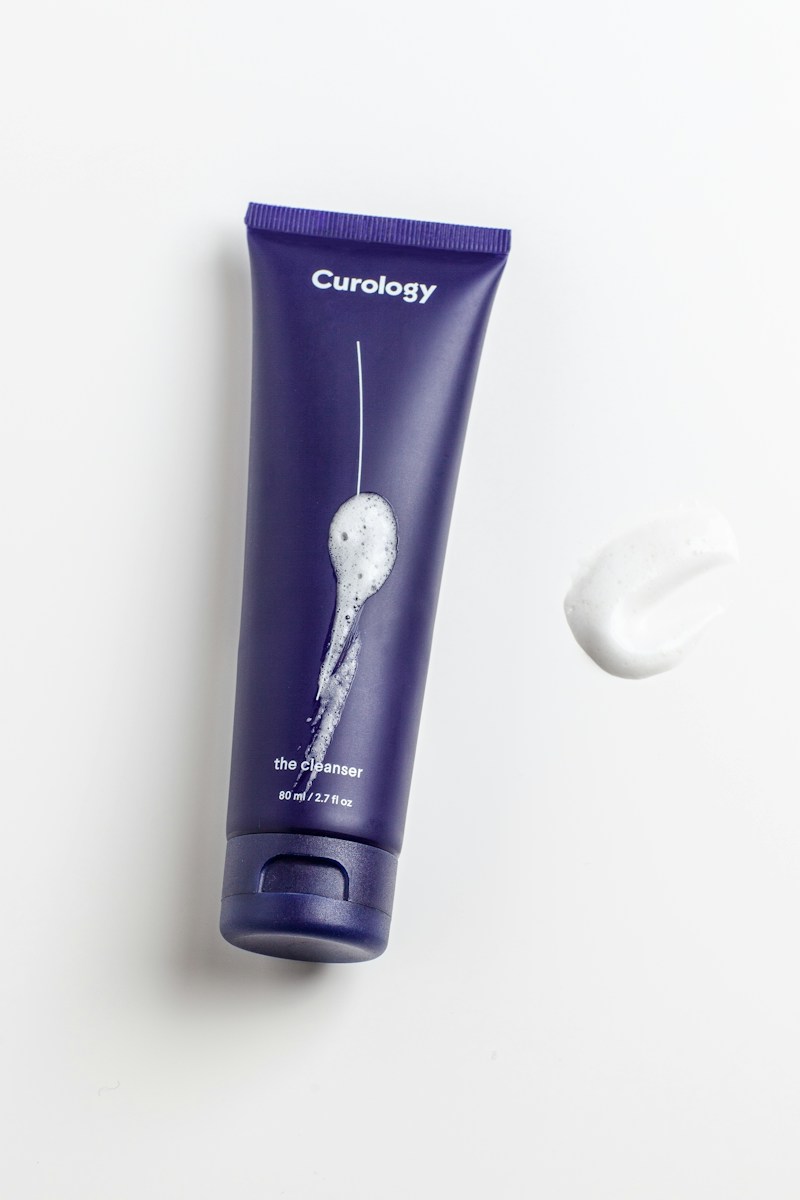
6. The Acne-Prone Clarity Routine
Acne-prone skin benefits from consistency and proven ingredients rather than constant product switching. This routine centers on a gentle cleanser, a treatment with a well-studied acne-fighting ingredient used as directed, lightweight non-comedogenic moisturizer, and daily sunscreen. Introduce the treatment slowly to build tolerance.
Pick at breakouts as little as possible, change pillowcases frequently, and keep hair products off your face. If breakouts are severe, painful, or scarring, see a dermatologist rather than cycling through products alone. This framework gives mild-to-moderate acne-prone skin its best chance with a steady, science-backed skin care routine.
7. The Mature Skin Radiance Routine
Mature skin tends to be drier and thinner, so this routine emphasizes nourishment and gentleness. A creamy cleanser, a hydrating essence, a moisturizer rich in barrier-supporting ingredients, and diligent sunscreen form the core. A gentle retinoid alternative or peptide product can be added in the evening once tolerance is established.
The real secret for mature skin is sun-protection consistency over decades, plus realistic expectations. No routine erases deep wrinkles, but well-hydrated, well-protected skin looks remarkably vibrant at any age. Facial massage during moisturizer application boosts circulation and feels wonderful. This graceful skin care routine celebrates skin at every stage.
8. The Hyperpigmentation Brightening Routine
Dark spots and uneven tone respond to patience and sun protection above all. This routine pairs a gentle cleanser and moisturizer with a brightening treatment used consistently, plus rigorous sunscreen reapplication. Without sun protection, brightening efforts are undone as fast as they progress.
Expect visible improvement over eight to twelve weeks, not days. Avoid layering multiple strong brightening actives at once, which risks irritation that can worsen pigmentation. A wide-brimmed hat on sunny days multiplies your results. For uneven tone, this steady skin care routine outperforms aggressive quick fixes.
9. The Morning Protection Routine
Morning skin care has one mission: defend. This morning skin care routine follows a simple order — cleanse lightly or rinse with water, apply antioxidant serum if you use one, moisturize, then sunscreen as the final step. Give sunscreen a few minutes to set before makeup.
The key detail is sunscreen quantity. Most people apply far too little. Use enough to cover the face and neck generously, and reapply during extended sun exposure. A morning routine done well matters more than any evening treatment, because preventing damage beats repairing it every time.
10. The Nighttime Repair Routine
Night is when skin does its recovery work, so the night skin care routine focuses on cleansing thoroughly and supporting repair. Double cleansing — an oil or balm followed by a gentle cleanser — removes sunscreen and the day completely. Then apply treatment products to clean skin and seal with a nourishing moisturizer.
Keep nighttime simple enough to do when tired, because consistency matters more than perfection. Silk or satin pillowcases reduce friction, and sleeping on your back helps if you are prone to sleep lines. End the day with this restorative routine and your skin gets the overnight support it needs to greet the morning glowing.
Skin Care Routines Compared
Find the framework that matches your skin and lifestyle in this overview table:
| Routine | Best For | Core Steps | Key Principle |
|---|---|---|---|
| Beginner minimalist | New to skin care | Cleanse, moisturize, SPF | Master basics first |
| Oily balancing | Shine and large pores | Gel cleanse, light hydration | Balance, don’t strip |
| Dry comfort | Tight, flaky skin | Cream cleanse, layered hydration | Layer and seal moisture |
| Sensitive calm | Reactive, easily irritated | Fragrance-free basics | Less is more |
| Combination zone | Mixed oily and dry areas | Targeted product placement | Treat zones individually |
| Acne clarity | Breakout-prone | Gentle care plus treatment | Consistency over switching |
| Mature radiance | Aging concerns | Nourish and protect | Hydration plus sun defense |
| Brightening | Dark spots, uneven tone | Treatment plus strict SPF | Patience and protection |
| Morning protection | Everyone, AM | Light cleanse, SPF | Defend against the day |
| Nighttime repair | Everyone, PM | Deep cleanse, nourish | Support overnight recovery |
How to Build Your Own Skin Care Routine
Frameworks are starting points. Use these principles to customize a routine that fits your skin, budget, and schedule:
Identify Your Skin Type Honestly
Wash your face with a gentle cleanser, wait an hour without applying products, and observe. Tight and flaky suggests dry skin, shine all over suggests oily, shine only in the T-zone suggests combination, and stinging or redness suggests sensitivity. Your type can change with seasons, age, and climate, so reassess periodically. Choosing products for your actual skin type is the foundation of the best skin care routine for you.
Layer Products in the Right Order
Apply products from thinnest to thickest texture. Cleanser first, then watery toners and essences, then serums, then moisturizer, with sunscreen last in the morning. This order ensures each product can absorb properly instead of being blocked by heavier layers. Wait about a minute between steps when you can. Correct layering makes every product in your skin care routine perform better.
Introduce New Products One at a Time
Add a single new product and use it for at least two weeks before adding another. This slow approach lets you identify exactly what helps and what irritates. Keep notes on your phone about what you started and how your skin responded. When something causes a reaction, you will know the culprit immediately. Patient testing prevents the all-too-common cycle of irritation followed by starting over.
Make Sunscreen Non-Negotiable
If you adopt only one habit from this guide, make it daily sunscreen. UV exposure causes the majority of visible skin aging and increases skin cancer risk. Choose a broad-spectrum formula you enjoy wearing, because the best sunscreen is the one you will actually use every day. Apply generously each morning and reapply during prolonged sun exposure. No skin care routine is complete without it.
Adjust With the Seasons
Skin needs shift throughout the year. Winter often calls for richer moisturizers and gentler cleansing, while summer may need lighter textures and extra attention to sunscreen. Travel to different climates deserves a temporary routine tweak too. Rather than overhauling everything, adjust one product at a time as conditions change. A flexible skin care routine stays effective year-round.
Start With a Beginner Framework
If you are assembling your first set of products, anchor everything to a proven skin care routine for beginners. Choose a gentle cleanser, a basic moisturizer suited to your skin type, and a sunscreen you enjoy wearing daily. This trio outperforms scattered collections of trendy treatments every time. Once the basics feel effortless — usually after a month of consistency — you can thoughtfully add one targeted product and observe the results.
Skin Care Routine FAQs
How long before I see results from a new skin care routine?
Expect four to twelve weeks for meaningful changes, since skin renews itself on roughly a monthly cycle. Hydration improvements appear fastest, often within days, while tone and texture changes take longer. Take photos in consistent lighting to track progress objectively. If a product causes persistent irritation beyond two weeks, discontinue it rather than waiting it out.
Do I really need both morning and night routines?
Yes, because they serve different purposes. The morning skin care routine protects against UV, pollution, and environmental stress. The night routine cleans away the day and supports natural repair processes. Skipping either one leaves a gap. That said, each routine can be just a few steps, so the total time commitment stays small.
Can I mix products from different brands?
Absolutely. There is no requirement to use a single brand line, and mixing often produces better results since different brands excel at different products. The key is compatibility — avoid layering multiple strong active ingredients from different products without research, and introduce mixed products gradually. Focus on how your skin responds rather than brand loyalty.
Is expensive skin care actually better?
Not necessarily. Price often reflects packaging, marketing, and fragrance rather than effectiveness. Many affordable products contain the same proven ingredients as luxury options. What matters is the ingredient list, the formulation quality, and whether the product suits your skin. Spend where it counts for you — such as sunscreen you love wearing — and save on basics like cleansers.
Should I exfoliate, and how often?
Most skin types benefit from gentle exfoliation one to three times per week, which removes dull buildup and improves product absorption. Choose chemical exfoliants over harsh physical scrubs for more even results, and start with the lowest frequency. Over-exfoliation causes redness, sensitivity, and breakouts, so increase slowly and back off at the first sign of irritation.
When should I see a dermatologist instead of adjusting my routine?
See a dermatologist for severe or cystic acne, rashes that do not resolve, changing moles, persistent irritation despite simplifying your routine, or any concerning skin changes. A professional can diagnose conditions that products alone cannot fix and prescribe treatments unavailable over the counter. There is no prize for struggling alone with a skin issue that needs medical care.
What products do I need to start a skin care routine?
Begin with three essentials: a gentle cleanser, a moisturizer for your skin type, and a broad-spectrum sunscreen. This minimal lineup covers cleansing, hydration, and protection, which deliver the majority of visible results. Add targeted treatments only after the basics feel automatic. Starting simple prevents irritation and makes troubleshooting easy.
Can diet affect my skin care results?
Overall nutrition supports skin health, though no single food transforms skin overnight. Adequate hydration, balanced meals rich in varied nutrients, and limited excess sugar help most people. Extreme dietary claims rarely hold up, so focus on sustainable healthy eating rather than miracle foods. Think of nutrition as quiet support for your topical routine.
Conclusion
Great skin is built on simple habits repeated daily. Choose the routine framework that matches your skin type, introduce products gradually, layer them correctly, and never skip sunscreen. Adjust with the seasons and listen to what your skin tells you. Follow this approach and your skin care routine will deliver the healthy, glowing skin you are working toward — without the overwhelm that derails so many beginners.
Remember that consistency beats complexity every time. A simple three-step skin care routine you follow daily will outperform an elaborate ten-step ritual you abandon after a week. Keep your mind as healthy as your skin with our brain games guide.
Expert Resources
- American Academy of Dermatology — dermatologist-reviewed skin care guidance.
- Mayo Clinic — trusted health information on skin care and conditions.
