
Japan is a country of dramatic seasons, and choosing the best time to visit Japan shapes everything about your trip: the landscapes you’ll photograph, the festivals you’ll stumble into, the crowds you’ll navigate, and the prices you’ll pay. Cherry blossoms in spring and fiery maples in autumn are legendary, but every month offers its own distinct magic.
The secret most first-time visitors miss is that there’s no single best time to visit Japan — only the best time for what you want. Skiers dream of Hokkaido powder while beach lovers head for Okinawa; festival chasers plan around summer matsuri while budget travelers hunt shoulder-season deals. Understanding Japan’s seasonal rhythms lets you match the calendar to your dreams.
This guide walks through ten standout times to visit, from iconic blossom season to underrated shoulder months. Each entry covers the weather, highlights, crowds, and costs to expect. A comparison table lines up all ten side by side, followed by a trip planning guide and a FAQ answering common questions. By the end, you’ll know exactly when your perfect Japan journey begins.
Table of Contents
- Why Timing Matters: Finding the Best Time to Visit Japan
- 10 Best Times to Visit Japan
- Comparing the Best Times to Visit Japan
- Japan Trip Planning Guide
- Visiting Japan FAQs
- Final Thoughts
Why Timing Matters: Finding the Best Time to Visit Japan
Japan rewards seasonal thinking more than almost any destination on earth. The same temple garden looks — and feels — utterly different beneath April blossoms, August greenery, and November fire. Festivals, foods, and even the light itself change with the calendar. Pick your season deliberately and Japan gives you a trip that feels designed just for you.
The good news: there’s no bad choice, only tradeoffs. Peak seasons deliver spectacle with crowds; shoulder seasons deliver serenity with savings. This guide lays out both sides honestly so you can choose with confidence. The Japan National Tourism Organization publishes official seasonal guides that are worth bookmarking as you plan.
10 Best Times to Visit Japan
These ten windows capture Japan at its most spectacular across the full calendar year. Find the season that matches your travel dreams.
1. Late March to Early April: Cherry Blossom Season
Sakura season is Japan’s most famous spectacle and the classic answer for cherry blossom chasers. For about two weeks, parks, temples, and riverbanks explode in clouds of pale pink, and the entire country celebrates with hanami picnics beneath the blooms. Tokyo, Kyoto, and Hiroshima all offer unforgettable viewing, with the blossom front sweeping northward as spring advances.
What makes this the dream trip for so many visitors is the atmosphere: Japan at its most joyful and photogenic. Evening illuminations light the blossoms dramatically, seasonal sakura treats appear in every convenience store, and the sense of fleeting beauty — mono no aware — permeates everything. It’s genuinely moving even for travelers who thought they were too cool for flowers.
The tradeoffs are real: this is peak season with peak prices and peak crowds. Book flights and hotels six months ahead, expect packed trains in Kyoto, and have flexible plans since the exact bloom timing shifts yearly with the weather. For many, though, seeing the blossoms firsthand justifies every hassle.
2. November: Autumn Foliage at Its Peak
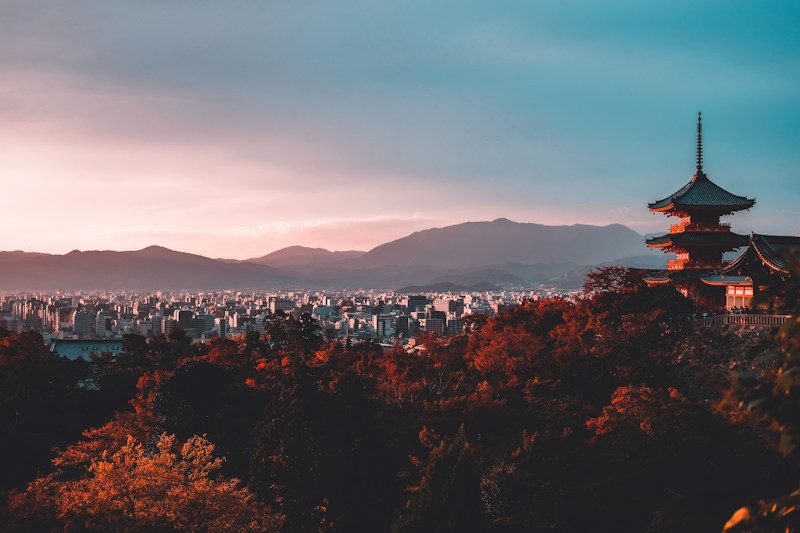
If spring belongs to blossoms, autumn belongs to fire: November brings Japan’s legendary koyo foliage season. Maples and ginkgos ignite in crimson and gold, framing temples and gardens in colors so vivid they seem unreal. Kyoto’s illuminated night viewings, with blazing maples reflected in temple ponds, rank among the world’s great seasonal spectacles.
November rivals spring for fall foliage lovers, with the added bonus of crisp, comfortable weather perfect for walking. The color front moves southward like the blossom front in reverse, so you can chase peak colors across regions for weeks. Fewer international crowds than sakura season mean slightly easier bookings, though domestic tourism is strong.
Plan temple visits for early morning to beat tour groups, and check foliage forecasts that track the color front like weather. Mountain areas peak earlier, cities later, so a two-week trip can catch multiple peaks. November proves that the best time to visit Japan depends entirely on which natural wonder moves you most.
3. January to February: Winter Wonderland
Winter transforms northern Japan into a snow globe, and January through February is the best time to visit Japan for snow lovers. Hokkaido’s Sapporo Snow Festival carves entire city blocks into ice sculptures, while mountain villages like Shirakawa-go glow beneath thick snow-thatched roofs. Hot-spring rotenburo baths steaming in falling snow are pure bliss.
Beyond the snow, winter offers Japan’s clearest skies, fewest crowds at major sights, and some of the year’s lowest hotel prices outside ski resorts. Tokyo and Kyoto sights that swarm in spring stand nearly empty on crisp winter mornings. Seasonal foods like hot pot and oden taste better than they have any right to.
Dress in serious layers: Hokkaido winter is genuinely cold, though heated trains and buildings make it manageable. This is also prime time for the cheapest deals in cities, balancing ski resort premiums. Winter rewards travelers who pack properly with Japan at its most serene.
4. May to June: Fresh Greenery and Hydrangeas
After the blossom crowds depart, Japan settles into the fresh green season — an underrated gem for thoughtful travelers. New leaves glow an almost neon green, rice paddies fill with mirror-like water, and June’s rainy season brings hydrangeas blooming in spectacular temple gardens. Kamakura’s hydrangea temples draw flower lovers without sakura-level chaos.
This window appeals to travelers seeking moderate crowds and pleasant temperatures. Late May especially offers warm days, cool evenings, and green landscapes at their most vibrant. Prices drop from spring peaks, and popular sights breathe again. The rainy season, tsuyu, sounds worse than it is: rain comes in bursts with plenty of dry, luminous days between.
Pack a compact umbrella and quick-dry layers, and plan temple gardens for hydrangea season in June. This is a photographer’s secret favorite, with misty greens and dramatic skies. For travelers who prefer discovery over icons, early summer Japan is quietly perfect.
5. July to August: Summer Festivals and Fireworks
Summer in Japan is hot, humid, and absolutely electric with festivals. From Kyoto’s month-long Gion Matsuri to Tokyo’s Sumida River fireworks to Aomori’s Nebuta lantern parades, summer matsuri are Japan’s cultural heartbeat. Streets fill with yukata-clad revelers, food stalls, and traditions centuries old.
Festival season suits travelers who prioritize culture over comfort, since this is also Japan’s hottest and most humid period. The energy is unmatched: few experiences compare to ten thousand fireworks blooming over a summer river. Mountain destinations like the Japan Alps and Hokkaido offer cooler escapes, while Okinawa’s beaches hit their prime.
Book festival accommodation extremely early, as matsuri towns fill completely. Carry water, a folding fan, and cooling towels, and pace yourself in the heat. For the festival-obsessed, summer is unquestionably a contender for the best time to visit Japan.
6. October: Autumn’s Gentle Beginning
October is Japan’s Goldilocks month: summer’s heat finally breaks, typhoon season winds down, and comfortable sunny days stretch across the country. Early autumn colors begin in Hokkaido and the high mountains while cities enjoy perfect walking weather. For many travelers, October is simply the most pleasant month to be in Japan.
This shoulder month offers an appealing balance for anyone weighing their options overall. Crowds thin between summer and November foliage peaks, prices moderate, and outdoor activities from hiking to cycling shine. Food lovers enjoy autumn’s harvest: Pacific saury, mushrooms, and new rice appear on menus everywhere.
October rewards flexible itineraries: start north for early colors, then drift south as the month progresses. It lacks a single headline spectacle, which is exactly its charm. Sometimes the best time to visit Japan is simply when the weather is perfect and the crowds are gone.
7. December: Illuminations and Festive Spirit
December wraps Japan in light: winter illuminations transform city streets, gardens, and shopping districts into glittering wonderlands. Tokyo’s illuminations rival any in the world, while hot-spring towns glow atmospherically. Christmas is celebrated as a romantic couple’s holiday with a uniquely Japanese flavor — all lights and strawberry cake.
Early December, before the New Year holidays, combines festive atmosphere with manageable crowds and good prices. It’s a lovely time for city-focused trips built around shopping, dining, and evening light displays. The illuminations typically run from November through February, so December catches them at their most elaborate.
Note that late December brings the New Year shutdown, when many businesses close and domestic travel surges. Plan around it: visit in early to mid-December for the magic without the closures. Winter illuminations make December a sparkling entry in any seasonal discussion.
8. February to March: Plum Blossoms, the Quiet Preview
Before the cherry blossom frenzy, plum blossoms — ume — offer a serene preview of spring. Flowering in February and early March, plum groves at shrines like Kyoto’s Kitano Tenmangu and Mito’s Kairakuen fill the air with sweet fragrance and delicate pink and white blooms. You’ll share them mostly with locals, not tour buses.
Plum season is the insider’s answer for flowers without crowds. The blossoms are subtler than sakura but arguably more fragrant, and the shrine settings add cultural depth. Prices remain at winter levels, and the first hints of spring warmth make walking delightful.
Combine plum viewing with winter’s tail end: ski in the morning in Nagano, stroll plum groves in the afternoon. This is Japan for travelers who read the footnotes and find the best stories there. Quiet, beautiful, and crowd-free.
9. September: Shoulder Season Value
September sits between summer’s festivals and autumn’s colors, making it one of the cheapest times to visit Japan. Typhoon season brings some weather risk, but it also brings emptier temples, discounted hotels, and a relaxed pace. For budget-focused travelers, the value proposition is compelling.
The savvy September traveler watches weather forecasts, keeps plans flexible, and enjoys Japan’s major sights with unusual tranquility. Late September can catch the very first autumn colors in Hokkaido’s mountains. Food festivals celebrating the harvest begin appearing, and sumo’s September tournament offers a classic cultural experience.
Travel insurance is wise during typhoon season, and a flexible itinerary lets you dodge any storms. If your priority is value and you don’t mind some rain, September stretches your yen further than any other month. The cheapest windows often hide in the shoulder seasons.
10. Late December to Early January: New Year Traditions
Experiencing Japanese New Year — oshogatsu — is like seeing the country’s soul: temple bells ringing 108 times at midnight, hatsumode shrine visits in traditional dress, and special osechi foods shared with family. It’s Japan’s most important holiday, observed with a reverence that fascinates visitors.
This period suits culturally curious travelers who don’t mind closures and crowds at major shrines. The atmosphere is unique: peaceful yet festive, traditional yet welcoming to respectful visitors. Winter scenery, illuminations, and seasonal foods complete the experience. Book well ahead, as domestic travel peaks.
Plan for closures from roughly December 29 to January 3, when many restaurants and shops shut. Major shrines, temples, and department stores remain lively, so base your itinerary around them. For a once-in-a-lifetime cultural immersion, New Year earns its place among the best times to visit Japan.
Comparing the Best Times to Visit Japan
Use this table to compare the ten windows side by side across weather, highlights, crowds, and costs.
| Time Period | Highlights | Crowds | Costs |
|---|---|---|---|
| Late Mar–early Apr | Cherry blossoms, hanami | Very high | Peak prices |
| November | Autumn foliage, illuminations | High | Above average |
| Jan–Feb | Snow festivals, hot springs | Low in cities | Good value |
| May–Jun | Fresh greenery, hydrangeas | Moderate | Moderate |
| Jul–Aug | Summer festivals, fireworks | High at festivals | Above average |
| October | Mild weather, harvest foods | Moderate to low | Moderate |
| December | Winter illuminations | Moderate early month | Good early month |
| Feb–Mar | Plum blossoms | Low | Good value |
| September | Value travel, harvest festivals | Low | Lowest prices |
| Late Dec–early Jan | New Year traditions | High at shrines | Peak domestic |
Japan Trip Planning Guide
Book Early for Peak Seasons, Stay Flexible Otherwise
Cherry blossom season, Golden Week, and New Year demand bookings six months ahead: flights, hotels, and popular ryokans sell out. In shoulder seasons like September or February, you can book closer to departure and even adjust plans around weather. Match your planning horizon to your season’s popularity.
Pack for Japan’s Seasonal Extremes
Japan’s climate swings dramatically: Hokkaido winters demand serious insulation while August in Kyoto requires heat-survival gear. Layering works year-round, and compact umbrellas are essential in June and September. Comfortable walking shoes matter in every season, since Japan rewards pedestrians. Check regional forecasts, not just Tokyo’s, since conditions vary enormously from Okinawa to Hokkaido.
Budget Smartly Around Seasonal Prices
Seasonal price swings are steep: the cheapest windows can cost half of peak blossom season for the same itinerary. Shoulder months like May, June, September, and February offer the best value. Consider regional rail passes for long-distance train travel, and remember that business hotels offer excellent value in cities year-round. The Japan Guide maintains current, detailed breakdowns of seasonal costs and rail pass options.
Learn Key Customs for Festival and Temple Visits
Seasonal travel often means festivals and sacred sites, where etiquette matters. At shrines, purify hands and mouth at the temizuya, bow before entering, and keep voices low. At festivals, follow local cues about photography and procession routes. A little cultural homework transforms you from tourist to welcomed guest.
Learning a few phrases goes a long way too. Even basic greetings delight hosts and smooth every interaction. Our language learning apps guide can get you conversational before you land.
Plan Around Golden Week and Other Holiday Peaks
Japan’s domestic holidays create intense travel surges: Golden Week (late April–early May), Obon (mid-August), and New Year. Trains sell out, hotels triple in price, and famous sights overflow. Either join the festive energy deliberately or avoid these weeks entirely — there’s no middle ground.
Check the holiday calendar before locking dates. Shifting your trip by even one week can dodge the worst of it. Off-peak Japan is calmer, cheaper, and often more beautiful.
Pair Your Season With the Right Region
Japan’s regions peak at different times: Hokkaido shines in summer and winter, Kyoto in spring and autumn, Okinawa from late spring through fall. Don’t try to see everything in one season — match your region to your window. A focused regional trip beats a frantic national sprint.
Considering the Pacific more broadly? Our best times to visit Hawaii guide applies the same seasonal thinking to the islands. And for the long flight over, load up our audiobook apps guide — the Pacific crossing flies by with a great story.
Visiting Japan FAQs
What is the single best month to visit Japan?
April for cherry blossoms or November for autumn colors — pick your spectacle. For the best overall balance of weather, crowds, and cost, October is hard to beat. The best time to visit Japan is the one that matches what you most want to see.
When is cherry blossom season exactly?
Typically late March to early April in Tokyo and Kyoto, earlier in the south, later in the north. The exact timing shifts yearly with winter temperatures, so watch the official blossom forecasts released each spring. Book refundable plans if your trip centers on the blooms.
Is Japan expensive to visit?
It can be, but it’s very manageable with planning. Shoulder-season travel, business hotels, convenience-store meals, and rail passes keep costs reasonable. Peak blossom season in Kyoto is the priciest combination — avoid it if budget matters.
How many days do I need in Japan?
Ten to fourteen days covers Tokyo, Kyoto, and one more region comfortably. Seven days works for a focused Tokyo-plus-Kyoto trip. Add days for Hokkaido, Kyushu, or Okinawa — Japan rewards slow travel.
Do I need to speak Japanese?
No, but learning basics transforms the trip. Major cities have English signage, and translation apps handle the rest. A few phrases of polite Japanese earn smiles everywhere. Our language learning apps guide will get you started.
What should I pack for Japan?
Layers for the season, comfortable walking shoes, a compact umbrella, and a small daypack. Japan’s convenience stores sell anything you forget. Leave room in your bag — you’ll shop more than you plan to.
Is the Japan Rail Pass still worth it?
It depends on your itinerary: long-distance travelers covering multiple cities usually still save, while single-region trips may not. Price your planned routes individually against the pass cost before buying. Regional passes often beat the national one for focused trips.
Final Thoughts
The best time to visit Japan is whenever you can go — but the right season turns a great trip into an unforgettable one. Blossoms, festivals, snow, or fiery maples: pick the Japan you dream about, plan around its season, and let the country do the rest.
Start today: choose your window, check the seasonal forecasts, and book early for peak seasons. Japan rewards the prepared traveler richly. And if the Pacific is calling more broadly, our best times to visit Hawaii will time that escape just as perfectly.

1 thought on “10 Best Times to Visit Japan”