
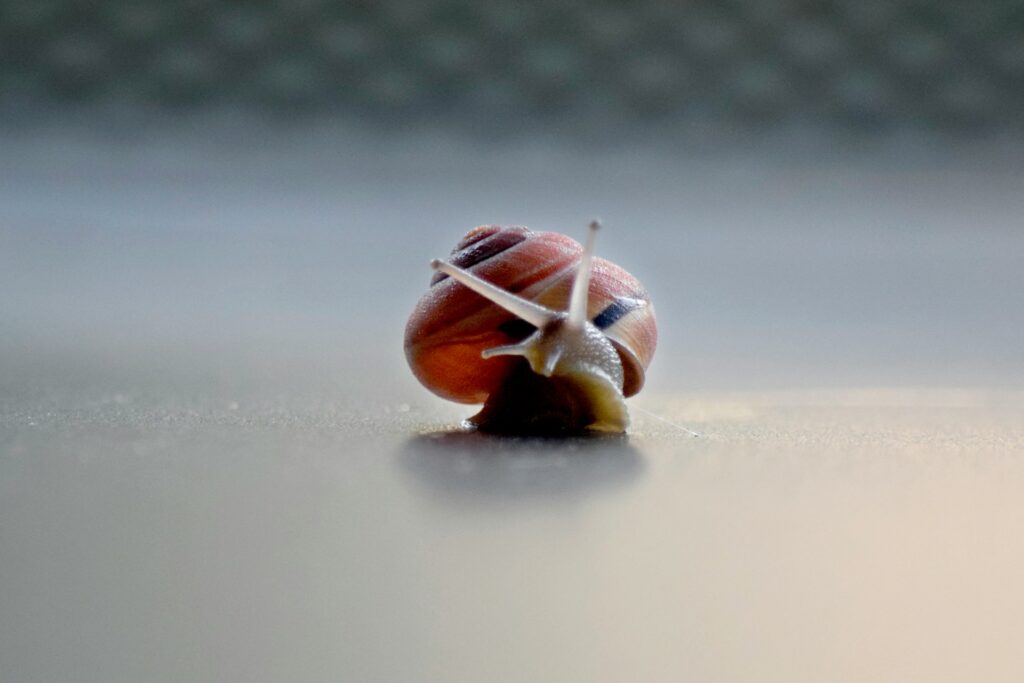
I used to treat creativity like a race: more output, faster turnarounds, constant hustle. Then I tried slow living, not as an aesthetic but as an experiment, and my creativity changed in ways I did not expect. Slowing down did not make me produce less; it made what I produced feel more like mine. Here is how embracing slow living rewired my creative life.

Slow Living Taught Me Sensory Attention
When I stopped rushing, I started noticing: the exact color of morning light, the texture of paper, the way an idea arrives while washing dishes. Slow living trains sensory attention, and sensory attention is raw material for creative work. My ideas got richer because my inputs got richer.
Journaling Became a Daily Practice
Slowing down gave me the one thing journaling needs: unhurried minutes. I began writing morning pages without agenda, and patterns emerged, recurring themes, honest complaints, half-formed ideas that later became real projects. The journal became a compost heap for creativity, and slow living was the warmth that let things decompose and regrow.
Less Pressure, Better Ideas
Hustle told me every idea had to perform. Slow living let ideas just exist for a while. Paradoxically, removing the pressure to monetize everything made my work more original, because I was following curiosity instead of metrics. Some of my favorite pieces started as pointless play.

Emotional Well-Being Fuels Creative Work
The least glamorous change was the most important: I felt better. Rested, less reactive, kinder to myself on bad days. Emotional well-being turned out to be creative infrastructure. Slow living did not just change my creativity; it changed the person making it.
Related: finding beauty in slow mornings, a workspace for slow intentional creativity, and how a single notebook changed my creative life.
