
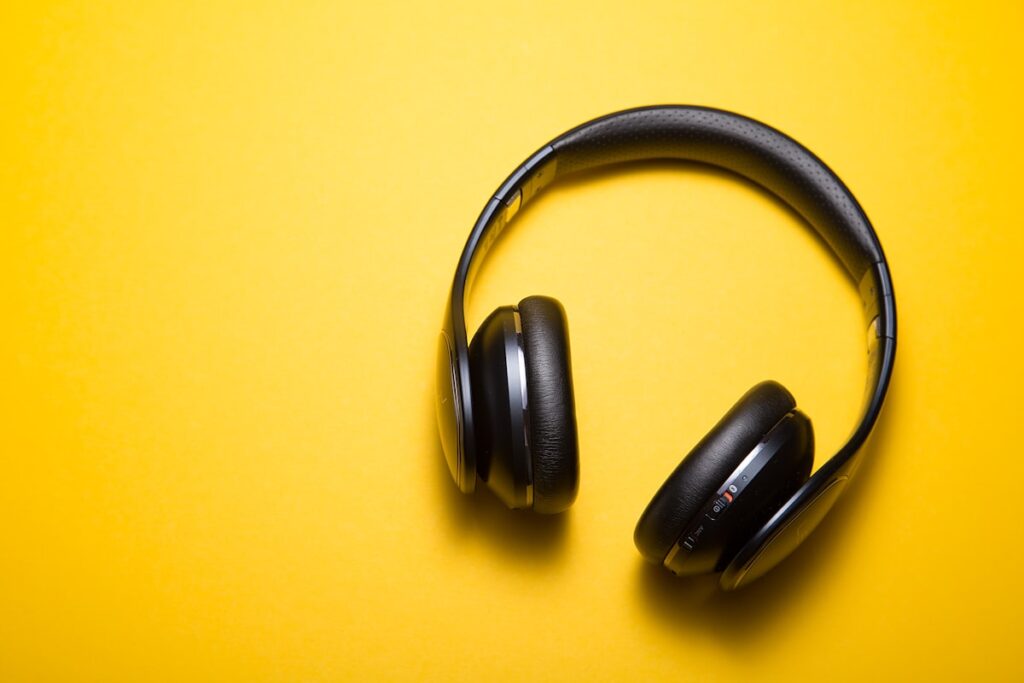
The best headphones are not the most expensive ones; they are the ones that match how you actually listen. A commuter needs noise cancelling, a runner needs a secure sweat-proof fit, and a parent needs volume limits. Instead of ranking one winner, this guide matches ten listener profiles to the best headphones for each, covering every budget, so you can buy once and stop second-guessing.
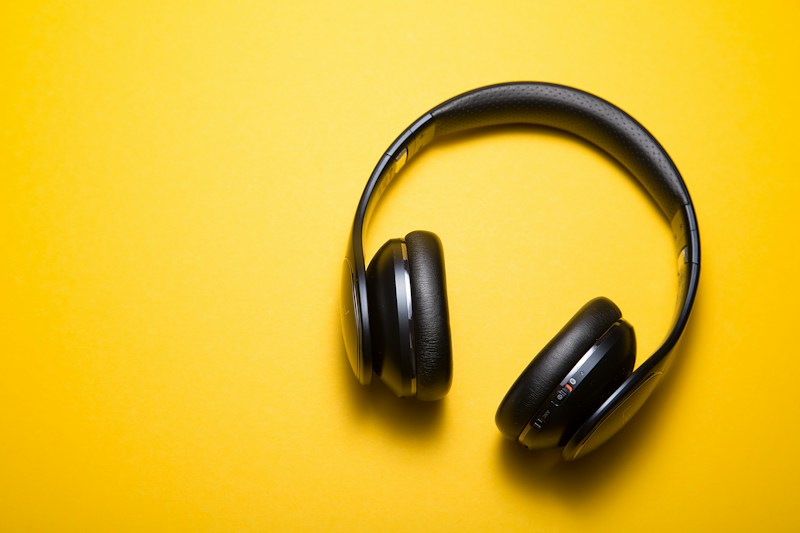
1. Best Headphones for Commuters
Commuters should prioritize active noise cancelling, all-day comfort, and multipoint Bluetooth that jumps between phone and laptop. Over-ear ANC models are the classic pick: they hush train rumble and office chatter, and a 30-plus-hour battery means a week of commutes per charge. Look for a transparency mode so you can hear announcements without removing them.
2. Best Headphones for Budget Listeners
You do not need to spend big for enjoyable sound. The best headphones under tight budgets now include surprisingly capable wired earbuds and entry-level wireless pairs with balanced tuning. Check independent measurements like the RTINGS budget headphone reviews before buying, since cheap models vary wildly. Prioritize comfort and a neutral sound signature over flashy bass claims.
3. Best Headphones for Fitness Users
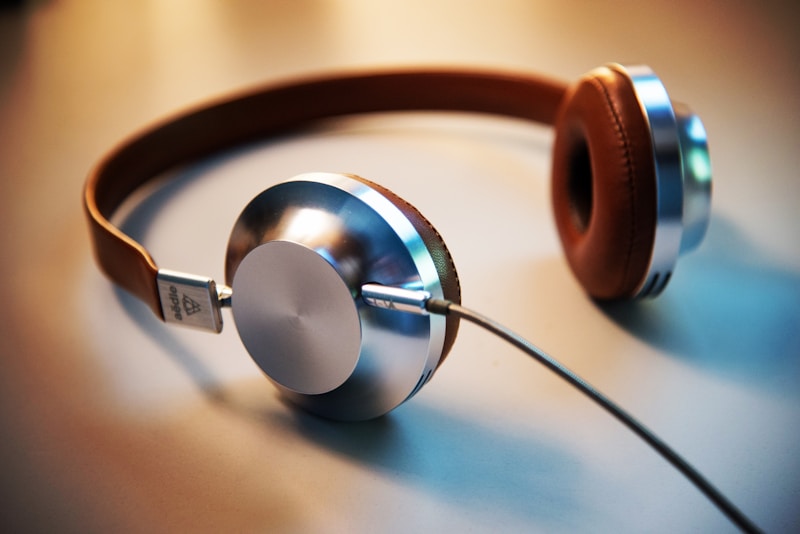
Workout headphones live or die on fit and sweat resistance. Look for ear hooks or deep-sealing tips, an IPX4 rating or better, and controls you can operate with sweaty hands. True wireless earbuds dominate here because there is no cable to snag on gym equipment. Bass-forward tuning also helps many people push through hard sets.
4. Best Headphones for Remote Workers
For video calls all day, microphone quality matters more than audiophile sound. The best headphones for remote work pair clear voice pickup with comfortable all-day wear and multipoint connection. A dedicated mute button or boom mic is a genuine quality-of-life upgrade if you present often.
5. Best Headphones for Desk Audiophiles
At a desk, open-back over-ears deliver the widest, most natural soundstage, and they stay comfortable for long sessions since nothing seals against your ears. They leak sound, so they are a home-office pick rather than a shared-space one. Pair them with a basic DAC or headphone amp only if your source is noisy; most modern devices drive them fine.
6. Best Headphones for Frequent Flyers
Long-haul flyers should treat noise cancelling as non-negotiable. The best headphones for planes combine top-tier ANC with 35-plus hours of battery, a folding design, and an included cable for seatback entertainment systems. Comfort over 8 hours matters more than small sound-quality differences, so try the clamp force before committing.
7. Best Headphones for Gamers
Gaming headsets trade some music fidelity for positional audio, a reliable mic, and low-latency wireless. A 2.4GHz dongle beats Bluetooth for latency-sensitive play. If you also listen to music seriously, consider quality stereo headphones plus a clip-on mic instead of a “gaming” branded set.
8. Best Headphones for Podcast and Audiobook Listeners
Spoken word is forgiving on sound quality but demanding on comfort, since sessions run for hours. Lightweight on-ears or comfortable earbuds with strong midrange clarity are ideal. The best headphones for podcasts also offer good wind-noise handling if you listen while walking, plus easy skip-back controls.
9. Best Headphones for Style-Conscious Minimalists
If your headphones are part of your look, slim on-ears or sleek true wireless buds in neutral colors disappear into an outfit. The best headphones here balance aesthetics with at least decent ANC and call quality, because pretty-but-useless gets abandoned fast. Many minimalist favorites now come from fashion-adjacent audio brands worth comparing against the tech giants.
10. Best Headphones for Parents Buying for Children
Kids need volume-limited headphones capped around 85dB to protect hearing, plus a tough build that survives backpacks. Wired models avoid battery and Bluetooth pairing headaches for younger children, while older kids appreciate wireless freedom. Durability and a replaceable cable matter more than sound fidelity at this age.
Best Headphones Comparison Table
| Listener | Form Factor | Key Feature | Budget Tip |
|---|---|---|---|
| Commuter | Over-ear ANC | Noise cancelling | Last year's flagship on sale |
| Budget listener | Wired earbuds | Neutral tuning | Check measurements first |
| Fitness user | True wireless | Secure fit, IPX4+ | Ear hooks beat specs |
| Remote worker | On/over-ear | Mic quality | Multipoint Bluetooth |
| Desk audiophile | Open-back over-ear | Soundstage | Skip the amp at first |
| Frequent flyer | Over-ear ANC | Battery + comfort | Bundle with plane adapter |
| Gamer | Headset | Low latency | 2.4GHz dongle models |
| Podcast listener | Light on-ear/buds | Comfort | Midrange clarity |
| Minimalist | Slim on-ear/buds | Design | Neutral colors hold value |
| Kids | On-ear | Volume limit 85dB | Wired for young kids |
How to Choose the Best Headphones
Start with your primary use case, then set a firm budget. Comfort is the most underrated spec: the best headphones technically mean nothing if they hurt after an hour. For wireless models, check codec support against your phone, and read battery claims skeptically since ANC shortens real-world life. Roundups like SoundGuys best headphones guide are useful for cross-checking, but always weigh your own fit and use case above any single ranking. Buy from retailers with easy returns, because no review replaces twenty minutes on your own head.
Best Headphones FAQs
Are expensive headphones worth it?
Up to a point. The jump from very cheap to mid-range brings big gains in comfort, build, and sound. Beyond the mid-range, improvements get subtle, and the best headphones for most people sit in that sweet spot rather than at the top of the price ladder.
Do I need noise cancelling?
If you commute, fly, or work in noisy spaces, ANC is transformative. In quiet homes it matters far less, and you can save money or get better sound per dollar by skipping it.
Wired or wireless: which is better?
Wireless wins on convenience; wired wins on reliability and value, with no batteries or pairing issues. Many listeners keep one of each: wireless for the gym and commute, wired for focused desk listening.
How important is battery life?
Very, for wireless. Aim for at least 30 hours on over-ears or 6 hours per charge on earbuds with a case. Short battery life turns great sound into a daily annoyance.
Can cheap earbuds sound good?
Yes. Tuning matters more than price, and several budget models measure shockingly well. Comfort and durability are where cheap options usually compromise, so check reviews for those specifically.
What should gamers prioritize in a headset?
Low latency and a clear microphone first, comfort second, positional audio third. Music-grade sound is a bonus, not the core job of a gaming headset.
Headphone Types Explained: Picking the Right Form
Before choosing among the best headphones, understand the four main forms. Over-ear headphones cup your entire ear: most comfortable for long sessions and best for noise cancelling, but bulky. On-ear models rest on the ear: lighter and more portable, though they can press uncomfortably after hours. True wireless earbuds sit in the ear canal: unbeatable for exercise and commuting, with battery life split between buds and case. Wired in-ear monitors (IEMs) deliver outstanding sound per dollar for stationary listening and never need charging. Your form choice narrows the field more than any brand preference.
Key Specs Decoded: What Actually Matters
Marketing sheets are full of numbers; only a few matter. For wireless models, Bluetooth version and codec support (SBC, AAC, aptX, LDAC) affect sound quality and latency with your specific phone. Driver size hints at potential but guarantees nothing; tuning matters more. Battery ratings assume moderate volume with ANC off, so discount them by 20 to 30 percent for real-world estimates. Water resistance uses IP ratings: IPX4 handles sweat and rain, IPX7 survives submersion. Frequency response graphs from independent labs tell you more about sound signature than any adjective on the box.
How Noise Cancelling Works and When to Skip It
Active noise cancelling uses microphones to sample ambient sound and plays an inverted signal that cancels it out, which is why the best headphones for travel feel almost magical on planes. ANC excels against constant low-frequency drone like engines and air conditioners, but does little for sudden sharp sounds. It also adds cost, weight, and battery drain, and some listeners feel a slight pressure sensation. If you mostly listen in quiet rooms, skip ANC and put the money toward better drivers and comfort instead.
Getting the Right Fit: The Underrated Upgrade
Fit determines both comfort and sound, especially with earbuds where a poor seal kills bass response. Try every tip size in the box, including foam options if included; most people default to the pre-installed medium and never discover the large actually seals better. For over-ears, check clamp force and earcup depth: your ears should not touch the drivers. Glasses wearers should test with their frames on, since temples break the seal of on-ears and some over-ears. A well-fitting mid-range pair beats a poorly fitting flagship every time.
Caring for Your Headphones
Simple habits extend the life of the best headphones dramatically. Wipe earbuds after workouts to prevent sweat corrosion, store over-ears in their case rather than tossing them in a bag, and avoid wrapping wired cables tightly around devices. Keep firmware updated, since manufacturers often improve ANC and call quality after launch. Replace ear tips and pads when they wear out; fresh pads can make three-year-old headphones feel new. With basic care, a quality pair easily lasts five years or more.
Saving Money: Refurbished and Previous Generations
Headphone technology moves slowly enough that last year’s flagship at a discount often beats this year’s mid-range model at full price. Manufacturer-refurbished units with warranties are among the safest ways to stretch a budget into premium territory. Previous-generation models also dodge launch-day bugs and have deep review histories, so you know exactly what you are getting. Set price alerts and buy during major sale events; patience is the simplest headphone upgrade.
A Note on Hearing Safety
The best headphones are the ones that do not damage your hearing. Follow the 60/60 rule as a starting point: no more than 60 percent volume for 60 minutes at a stretch, then a break. Noise cancelling earns its keep here, since you do not need to crank volume to overcome background noise. For children, volume-limited models capped around 85 decibels are essential, because kids will turn any available volume all the way up. Tinnitus is permanent; no playlist is worth it. If your ears ring after listening, the volume was too high, full stop. Many phones now include hearing-health dashboards that track headphone audio levels over the week; check yours monthly and adjust habits before damage accumulates.
Warranties, Returns, and Buying Smart
Buy the best headphones from retailers with generous return windows, because fit and sound signature are personal and no review can substitute for your own ears. Keep the box and all tip sizes for at least the return period. Register the warranty; manufacturers often extend coverage on registered products. For expensive pairs, check whether the warranty covers battery degradation, which is the most common reason wireless headphones die. Credit cards with purchase protection can add an extra year of coverage at no cost. A little paperwork at purchase time saves real money later.
What Is Next in Headphones
Headphone innovation has slowed in ways that benefit buyers: current mid-range models already include features that were flagship-only a few years ago, like multipoint Bluetooth and adaptive ANC. Auracast broadcast audio is rolling out in public venues, letting compatible earbuds tune into silent TVs at gyms and airport announcements directly. On-device AI features like live translation are arriving, though their usefulness varies wildly by implementation. None of this means you should wait to buy; it means today’s discounted previous-generation models are an even better value than usual.
Keep exploring: legendary albums to test new headphones, brain games for daily sharpening, building a freelance routine that sticks, and designing a workspace for freelance flow.

5 thoughts on “10 Best Headphones for Every Listener and Budget”