

Finding workout routines that actually fit your life can feel harder than the workouts themselves. Between strength goals, fat-loss goals, busy schedules, and conflicting advice online, most people bounce from plan to plan without ever sticking to one. The truth is simpler than the fitness industry makes it sound: the best workout routines are the ones built around progressive overload, balanced movement, and a schedule you can repeat for months. This guide breaks down ten proven workout routines for strength, fat loss, and total fitness, so you can pick one with confidence and finally stay consistent.

1. Full-Body Strength Training Workout Routines
A full-body strength routine trains every major muscle group in a single session, usually three days a week. Think squats, push-ups or bench press, rows, overhead press, and deadlifts or hip hinges, performed for 3 to 4 sets each. Because each muscle gets worked multiple times per week, beginners build strength fast while burning plenty of calories.
Best for: beginners, busy lifters, and anyone returning after a break.
Schedule: Monday, Wednesday, Friday with rest or light walking between.
Why it works: high frequency per muscle group, simple to program, and easy to progress by adding a little weight each week.
2. Push/Pull/Legs Workout Routines
The push/pull/legs split divides training by movement pattern: pushing muscles (chest, shoulders, triceps) on day one, pulling muscles (back, biceps) on day two, and legs on day three. It is one of the most popular workout routines among intermediate lifters because each session is focused, and muscles get a full few days to recover before being trained again.
Best for: lifters with 4 to 6 days a week who want balanced muscle growth.
Schedule: repeat the three-day cycle across the week, resting when needed.
Why it works: smart recovery management lets you train hard without overlap, so strength climbs steadily.
3. Upper/Lower Split Workout Routines
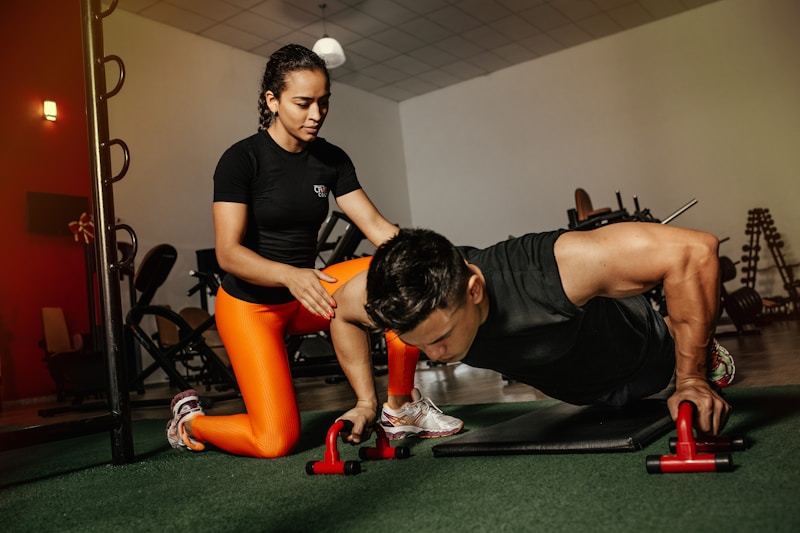
Upper/lower workout routines alternate between upper-body days and lower-body days, typically four sessions a week. Upper days cover chest, back, shoulders, and arms; lower days cover quads, hamstrings, glutes, and calves. It strikes a sweet middle ground between full-body training and body-part splits.
Best for: intermediates who want both strength and size with four training days.
Schedule: upper, lower, rest, upper, lower, rest, rest.
Why it works: each muscle group is hit twice weekly, which research consistently links to better growth than once-a-week training.
4. The 5×5 Strength Workout Routine
The 5×5 is beautifully simple: five sets of five reps on big compound lifts like the squat, bench press, deadlift, overhead press, and barbell row. You add a small amount of weight each session, which makes progress easy to see on paper. Among strength-focused workout routines, few build a foundation faster.
Best for: lifters whose number-one goal is getting stronger.
Schedule: three full-body days a week, alternating two workouts.
Why it works: heavy compound sets with linear progression force your whole body to adapt quickly.
5. HIIT Workout Routines for Fat Loss
High-intensity interval training alternates short bursts of all-out effort with brief recovery periods. A classic session might be 30 seconds of burpees, mountain climbers, or bike sprints followed by 30 seconds of rest, repeated for 20 minutes. These workout routines torch calories in less time and keep your metabolism running hot after you finish.
Best for: fat loss on a tight schedule.
Schedule: 2 to 3 sessions per week, never on back-to-back days at first.
Why it works: intensity drives calorie burn, and the short format removes the “no time” excuse.
6. Bodyweight Circuit Workout Routines
No gym? No problem. Bodyweight workout routines string together moves like squats, lunges, push-ups, planks, and glute bridges into a circuit you repeat 3 to 4 times. They build real strength, improve conditioning, and can be done in a living room, park, or hotel room.
Best for: travelers, beginners, and home exercisers.
Schedule: 3 to 4 days a week, 25 to 40 minutes per session.
Why it works: zero equipment means zero excuses, and progressions like single-leg squats keep it challenging.
7. Kettlebell Workout Routines
Kettlebell workout routines blend strength and cardio in every session. Swings, goblet squats, presses, and Turkish get-ups train your grip, core, glutes, and conditioning all at once. A single bell and a small patch of floor is enough for a complete workout.
Best for: home gym minimalists who want strength plus conditioning.
Schedule: 3 days a week, 30 minutes, alternating swing-focused and grind-focused days.
Why it works: ballistic moves spike your heart rate while building muscle, giving you two adaptations for the price of one.
8. Couch to 5K Workout Routines
The Couch to 5K plan eases non-runners into jogging shape over about eight weeks using walk-run intervals that gradually shift toward continuous running. As far as fat-loss workout routines go, running is hard to beat for pure calorie burn, and the structured progression keeps joints and motivation intact.
Best for: beginners who want to become runners and shed fat.
Schedule: three run days a week with rest or cross-training between.
Why it works: gradual overload applies to cardio too; slow progression prevents injury and burnout.
9. Yoga-Strength Fusion Workout Routines
Yoga-strength fusion pairs flowing yoga sequences with loaded moves like weighted lunges, push-up variations, and core holds. You build total-body strength while gaining the mobility, balance, and stress relief that pure lifting plans often miss.
Best for: people who want strength without feeling stiff and beat up.
Schedule: 3 to 4 sessions a week, 40 to 60 minutes.
Why it works: it trains strength through full ranges of motion, which supports joint health and everyday movement quality.
10. Weekend Warrior Full-Body Workout Routines
Only have weekends? The weekend warrior approach compresses training into two longer full-body sessions, Saturday and Sunday, with active recovery like walking during the week. It is not ideal for elite performance, but among realistic workout routines for packed schedules, it beats doing nothing by a mile.
Best for: people who can only train on weekends.
Schedule: two 60 to 75 minute full-body sessions, plus daily walks.
Why it works: two hard sessions still deliver meaningful strength and muscle stimulus when programmed well.
Workout Routines Comparison Table
| Routine | Best For | Days / Week | Equipment |
|---|---|---|---|
| Full-Body Strength | Beginners | 3 | Gym or dumbbells |
| Push/Pull/Legs | Muscle growth | 4-6 | Gym |
| Upper/Lower Split | Strength + size | 4 | Gym |
| 5×5 Strength | Max strength | 3 | Barbell |
| HIIT | Fat loss, little time | 2-3 | Minimal |
| Bodyweight Circuit | Home / travel | 3-4 | None |
| Kettlebell | Strength + cardio | 3 | Kettlebell |
| Couch to 5K | New runners | 3 | Running shoes |
| Yoga-Strength Fusion | Mobility + strength | 3-4 | Mat, light weights |
| Weekend Warrior | Busy schedules | 2 | Gym or dumbbells |
How to Choose the Right Workout Routine
Match the plan to your reality, not your fantasy. If you can train three days, do not pick a six-day split. If fat loss is the goal, pair any of these workout routines with sensible eating, since training alone rarely outruns a big calorie surplus. Beginners should start with full-body or bodyweight work for 8 to 12 weeks before specializing. And whatever you choose, track your sessions: weights, reps, or run times written down turn vague effort into visible progress, which is what keeps you coming back. For general activity targets, the CDC physical activity guidelines recommend at least 150 minutes of moderate activity weekly plus muscle-strengthening work, a baseline every one of these workout routines easily clears. If core training is part of your plan, the American Council on Exercise core exercise research is a useful reference for picking effective ab moves.
Workout Routines FAQs
How many workout routines should I follow at once?
Just one. Jumping between workout routines every few weeks keeps you in permanent beginner mode. Pick a single plan and run it for at least 8 to 12 weeks before judging the results.
Which workout routine is best for fat loss?
HIIT and Couch to 5K burn the most calories per minute, but strength workout routines like full-body training or 5×5 preserve muscle while you lose fat, which keeps your metabolism higher. Pair either approach with a modest calorie deficit for the best outcome.
Can I build muscle with bodyweight workout routines?
Yes, especially as a beginner. Push-up, pull-up, squat, and lunge progressions build real muscle; the key is progressive overload, making the moves harder over time with leverage changes, added reps, or slower tempos.
How long before I see results from a workout routine?
Strength gains often show within 3 to 4 weeks, visible muscle and fat-loss changes usually take 8 to 12 weeks of consistent training. Photos and measurements track progress better than the mirror day to day.
Should I do cardio and strength workout routines together?
You can. Doing them on separate days or separating sessions by several hours works well. If you must combine them, lift first when energy is highest, then do shorter cardio after.
What if I miss a week of my workout routine?
Just resume where you left off rather than “making up” missed sessions. One easy week back at slightly reduced weights or volume gets you back on track without soreness wrecking the following week.
A Sample Beginner Week of Workout Routines
If you are starting from zero, here is what a first week on full-body workout routines can look like. Monday: goblet squats 3×10, push-ups 3×8, dumbbell rows 3×10 per side, glute bridges 3×12, and a 10-minute walk. Wednesday: same moves, slightly lighter, focusing on form. Friday: repeat Monday and try one more rep per set. That is it. The magic of beginner workout routines is not complexity; it is showing up three times and adding a tiny bit more each week. After a month, you will be amazed how different the same session feels.
How to Warm Up for Any of These Workout Routines
Every one of these workout routines deserves a five to ten minute warm-up. Start with two minutes of easy cardio, jumping jacks, brisk walking, or cycling, to raise your body temperature. Then do dynamic moves that mimic the workout: bodyweight squats before leg day, arm circles and band pull-aparts before pressing. Save static stretching for after the session, when muscles are warm. Lifters who warm up consistently report fewer nagging injuries and better first working sets, which compounds over months of training.
Common Workout Routine Mistakes to Avoid
The biggest mistake is program-hopping: switching workout routines every two weeks because progress feels slow. Strength and fat loss both reward patience measured in months. Second, skipping rest days; muscles grow during recovery, not during the workout, so training the same muscles hard daily stalls progress. Third, ignoring nutrition and sleep while expecting training alone to transform your body. Fourth, adding weight before mastering form, which is how plateaus and injuries happen. And fifth, comparing your week one to someone else’s year five. Run your own race.
Eating to Support Your Workout Routines
Training provides the stimulus; food provides the building materials. For strength-focused workout routines, aim for roughly 1.6 to 2.2 grams of protein per kilogram of body weight daily, spread across three to five meals. For fat loss, a moderate calorie deficit of 300 to 500 calories beats crash dieting, which tanks energy and training quality. Carbohydrates around workouts fuel hard sessions, and hydration matters more than most people think: even mild dehydration hurts performance. You do not need a perfect diet, just a consistent one that supports the work you are doing in the gym.
Tracking Progress Across Your Workout Routines
What gets measured gets improved. Keep a simple training log: date, exercises, weights, sets, and reps. For running-based workout routines, log distance and time. Review every four weeks. If the numbers are climbing, the plan is working; if they stall for three weeks, change one variable, add a set, adjust calories, or swap an exercise, rather than overhauling everything. Progress photos and waist or arm measurements catch changes the scale misses, especially during body recomposition when fat loss and muscle gain happen together.
Related reading: fitness apps that make home training smarter, how slow living changed my creativity, finding beauty in slow mornings, and solo travel reflections.
