
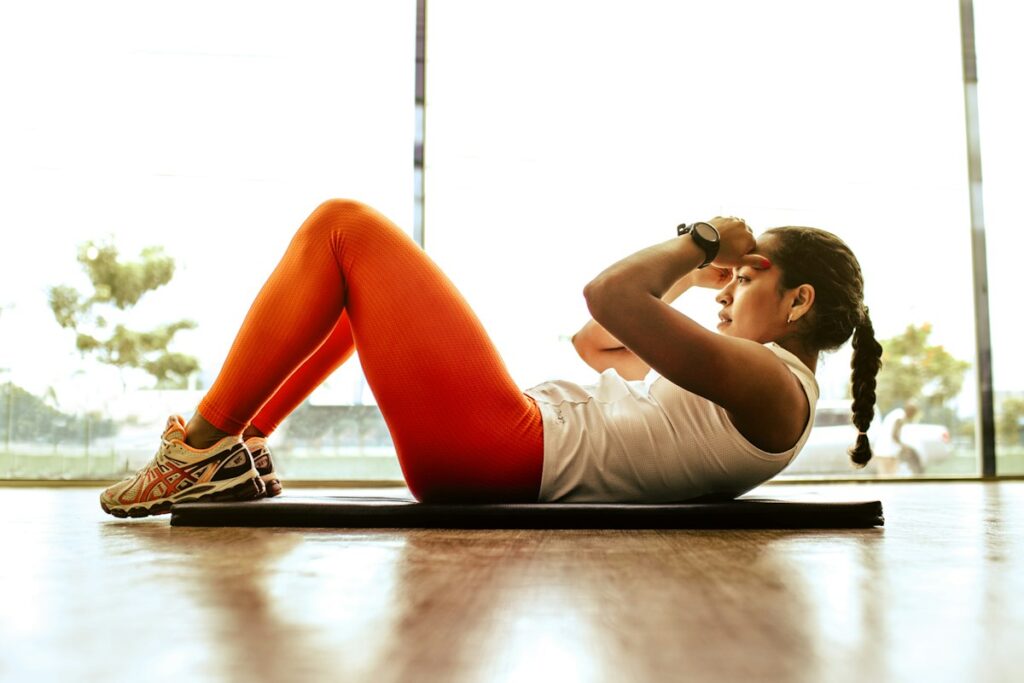
The best fitness apps turn your phone into a personal trainer, a workout log, and a motivational coach all at once. Whether you train at home with minimal equipment or in a fully stocked gym, the right app brings structure to your sessions, tracks your progress, and keeps you consistent on the days motivation runs low. With hundreds of options competing for your attention, choosing well matters.
What separates the best fitness apps from the forgettable ones? Great workout apps combine expert-designed programming, clear video or visual guidance, and flexible plans that adapt as you improve. The top workout apps for home and gym also respect your time, offering sessions that fit real schedules, and they make tracking effortless so you can focus on training instead of admin. This guide evaluates apps across those dimensions.
Below you’ll find ten standout picks spanning strength training, HIIT, cardio, and guided coaching, plus a comparison table, a buying guide to choosing the right fit, and answers to common questions. Every recommendation below describes widely available features in general terms, so you can match an app to your training style with confidence.
Table of Contents
- Train Smarter: Finding the Best Fitness Apps for Your Goals
- 10 Best Fitness Apps to Train Smarter at Home or Gym
- Comparing the Best Fitness Apps
- Buying Guide: Choosing the Right Workout App
- Workout App FAQs
- Final Thoughts
Train Smarter: Finding the Best Fitness Apps for Your Goals
Exercise is one of the highest-return habits you can build — the CDC’s physical activity guidelines link regular movement to better sleep, sharper thinking, and lower disease risk. But knowing you should exercise and actually doing it are different things. The best fitness apps close that gap with structure, reminders, and visible progress that keep you coming back.
The key insight: the best app isn’t the one with the most features — it’s the one you’ll open three times a week for the next year. Read the reviews below with your real schedule and your real preferences in mind, and pick the app that fits your life as it is today.
10 Best Fitness Apps to Train Smarter at Home or Gym
1. Nike Training Club
Nike Training Club remains one of the most popular free options, offering a large library of guided workouts across strength, HIIT, yoga, and mobility. Sessions range from quick fifteen-minute routines to full hour-long programs, all led by trainers with clear cueing. The app’s workout plans adapt to your available equipment, making it a strong choice for both home and gym training.
What makes it one of the best workout apps for beginners is the low barrier to entry: no subscription is required for the core library. The interface is polished, the video quality is high, and the variety keeps routines fresh. If you want guided training without paying, this is the first app to try.
2. Fitbod
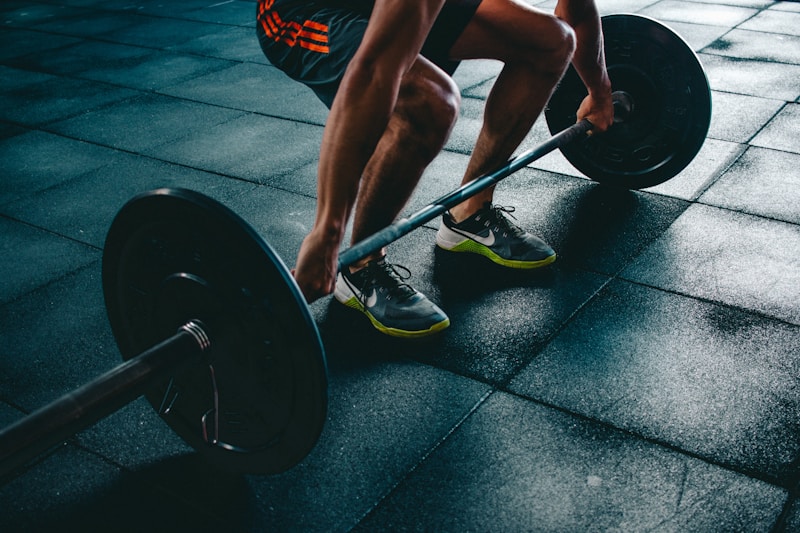
Fitbod builds strength training workouts around the equipment you have and the muscles you trained recently. Tell it you have dumbbells and a bench, and it generates balanced sessions that avoid overworking the same muscle groups. The adaptive programming is the standout feature: every workout responds to your logged performance and recovery.
This is one of the best fitness apps for lifters who want structure without hiring a coach. The exercise demonstrations are clear, rest timers keep you on pace, and the progression tracking shows your strength gains over time. Gym-goers especially appreciate how quickly it builds a complete session around whatever equipment is free.
3. MyFitnessPal
While best known for nutrition tracking, MyFitnessPal earns its place through the powerful combination of food logging and workout tracking in one app. Training without attention to fueling only goes so far, and seeing calories, protein, and exercise side by side helps users connect effort with results. The food database is enormous, making logging fast.
For users whose goals include fat loss or muscle gain, this pairing makes it one of the top workout apps for home and gym alike. The workout section logs cardio and strength sessions, estimates calorie burn, and syncs with many wearables. It’s the best choice when nutrition is half the battle.
4. Strava
Strava dominates the endurance world by turning running and cycling into a social experience. GPS tracking maps every route, segments let you compete against yourself and others on specific stretches, and the feed of friends’ activities creates gentle accountability. The community aspect keeps cardio training fun long after the novelty wears off.
Runners and cyclists consider it essential, and its training plans add structure for race preparation. Even walkers and hikers benefit from the route tracking and progress stats. Among the best workout apps for cardio lovers, its blend of data and community is unmatched. Explore it at the official Strava website.
5. Peloton App
You don’t need the company’s bike to benefit from its app, which offers thousands of classes in strength, HIIT, yoga, running, and cycling. The instructors are famously motivating, the class library is enormous, and live sessions add energy that on-demand workouts can’t match. Leaderboards and streaks gamify consistency effectively.
This is one of the best fitness apps for people who thrive on coached energy and class variety. The production quality is high, new classes arrive daily, and the programs guide you through multi-week progressions. If boutique class vibes keep you moving, this app delivers them at home. Cyclists should also check our indoor cycling apps guide for bike-specific training.
6. Strong
Strong is the minimalist’s strength tracker: a clean, fast workout log with no fluff. You build routines, log sets and reps with a few taps, and the app charts your volume and estimated one-rep maxes over time. Rest timers, plate calculators, and cloud backup round out a focused feature set that lifters love.
It ranks among the best workout apps for experienced gym-goers who already know what to do and just need great tracking. The free version covers the essentials generously. If your programming comes from a coach or your own knowledge, Strong is the ideal digital notebook.
7. Apple Fitness+
Apple’s subscription service integrates beautifully with the Apple Watch, displaying live heart rate and calorie data on screen during workouts. The trainer lineup is diverse and encouraging, classes span strength, HIIT, yoga, dance, and mindful cooldowns, and new sessions arrive weekly. Time to Walk and meditations add lifestyle value beyond training.
For users in the Apple ecosystem, it’s one of the top workout apps for home training thanks to the seamless device integration. The beginner-friendly cueing and modifications make it welcoming, while the variety prevents boredom. It shines brightest when paired with a watch.
8. Freeletics
Freeletics pioneered the AI coach concept for bodyweight training, generating personalized HIIT plans that adapt to your feedback after every session. No equipment is required for most journeys, making it ideal for home workouts, travel, and small spaces. The workouts are intense, efficient, and built around proven functional movements.
This is one of the best fitness apps for people who want maximum results from minimal gear. The coaching adapts difficulty intelligently, and the community challenges add motivation. If you prefer training with just your body and a timer, few apps do it better.
9. JEFIT
JEFIT has served the lifting community for years with one of the largest exercise databases available. Detailed instructions and animations cover thousands of movements, and the routine builder lets you design precise programs. Progress photos, body stat tracking, and rest timers support serious long-term training.
It earns its place among the best workout apps for gym enthusiasts who want depth and customization. The community features let you share routines and follow other lifters’ programs. For data-driven trainers who love planning every detail, JEFIT is a powerhouse.
10. Seven-Minute Workout Apps
The seven-minute workout concept spawned a category of apps built around ultra-short, high-intensity circuits. These apps guide you through twelve bodyweight exercises in quick succession with visual timers and voice cues. They’re perfect for beginners, busy schedules, and building the daily exercise habit from zero.
While not a complete long-term program, this style of app is one of the best fitness apps for getting started. The low time commitment removes excuses, and many users graduate to more comprehensive training after building consistency. Everyone has seven minutes, which is exactly the point.
Comparing the Best Fitness Apps
This table compares all ten apps by training focus, ideal setting, and standout strength.
| App | Training Focus | Best Setting | Standout Strength |
|---|---|---|---|
| Nike Training Club | Guided mixed workouts | Home or gym | Free expert library |
| Fitbod | Adaptive strength | Gym | Smart programming |
| MyFitnessPal | Nutrition plus training | Anywhere | Food and workout link |
| Strava | Running and cycling | Outdoors | Social competition |
| Peloton App | Coach-led classes | Home | Motivating instructors |
| Strong | Strength logging | Gym | Fast, clean tracking |
| Apple Fitness+ | Guided variety | Home | Watch integration |
| Freeletics | Bodyweight HIIT | Home | Adaptive AI coach |
| JEFIT | Detailed lifting plans | Gym | Huge exercise database |
| Seven-Minute Apps | Quick circuits | Home | Minimal time needed |
Buying Guide: Choosing the Right Workout App
Define Your Primary Goal
Start with clarity about what you want. Building strength calls for apps with progressive programming and detailed logging, like adaptive strength builders or dedicated trackers. Losing fat pairs training with nutrition awareness, favoring apps that combine both. Improving cardio points toward GPS-based endurance platforms with training plans.
Write your goal in one sentence and let it filter your options. The best workout apps for one goal may be wrong for another, so resist the urge to pick the most popular app blindly. Matching the app’s strength to your objective is the fastest path to results.
Match the App to Your Environment
Home trainers need apps with bodyweight options, minimal-equipment plans, and clear video guidance for small spaces. Gym-goers benefit from apps that generate workouts around available machines and track barbell progress precisely. Outdoor athletes want GPS accuracy, route mapping, and weather-friendly features.
Be honest about where you’ll actually train, not where you wish you would. The top workout apps for home and gym differ because the constraints differ. An app that fits your real environment gets used; one that doesn’t becomes another deleted icon.
Evaluate Coaching Style and Guidance Quality
Some users thrive on energetic instructors shouting encouragement, while others prefer calm, technical cueing. Preview the coaching style before committing: watch sample videos, try free trials, and notice whether the instruction helps you move better or just louder. Good guidance teaches; great guidance also motivates.
Check that exercise demonstrations are clear from multiple angles and that modifications exist for different fitness levels. The best fitness apps scale from true beginner to advanced without making anyone feel out of place. Quality coaching prevents injury and builds confidence.
Consider Tracking and Progress Features
What gets measured gets improved. Look for apps that log your workouts automatically, chart strength or endurance trends, and celebrate milestones. Progress photos, body measurements, and personal records all help you see change that the mirror hides. Syncing with wearables adds effortless data capture.
Avoid apps that make logging tedious: if tracking takes longer than training, you’ll quit both. The best workout apps capture data in a few taps and turn it into motivating visuals. Review whether export options exist if you ever want to switch platforms. The American Heart Association’s fitness guidance is a solid reference for setting sensible weekly activity targets to track against.
Workout Apps for Beginners: Where to Start
The best workout apps for beginners share three traits: clear instruction, scalable difficulty, and zero intimidation. Look for programs that demonstrate every movement on video, offer low-impact modifications, and start with short sessions that build the exercise habit before building intensity. The best exercise apps for newcomers also celebrate small wins with streaks and milestones that keep motivation alive through the awkward first weeks, when everything feels unfamiliar.
Resist the temptation to start with the most hardcore program available. The best exercise apps let you filter by fitness level and adjust difficulty as you improve, so honesty about your starting point pays off. Many workout apps for beginners include assessment workouts that calibrate plans automatically. Give any new app three full weeks before judging it: the first week is learning the movements, the second is adapting to the routine, and the third is when real progress starts to appear.
Pair your chosen app with one simple rule: never miss twice. A skipped Monday is harmless, but skipped Monday and Tuesday breaks the chain you’re building. The right beginner app supports this with reminders, short backup workouts for busy days, and sensible rest-day guidance. Build the habit first and chase performance later, and your beginner phase will pass quicker than you expect. Protecting workout time is a scheduling skill — our productivity apps guide helps you defend it.
Weigh Free Versus Paid Tiers Honestly
Many excellent apps offer generous free versions, and some are completely free. Paid tiers typically add personalized plans, advanced analytics, or larger class libraries. Before paying, use the free version for two weeks and ask whether the missing features would genuinely change your training.
Consider the cost against alternatives: a monthly subscription that keeps you training consistently is cheaper than an unused gym membership. But never pay for motivation alone. The best fitness apps earn their fee through programming quality and features you actually use. And for making those rest days productive, our audiobook apps guide turns recovery time into reading time.
Frequently Asked Questions About Workout Apps
What is the best workout app for beginners?
Guided apps with clear video instruction and beginner-friendly modifications are ideal for newcomers. Free options with large workout libraries let beginners explore different training styles without financial commitment. Start with bodyweight or light-equipment programs and progress gradually.
Can workout apps replace a personal trainer?
For general fitness goals, a good app covers programming, demonstration, and tracking admirably. Trainers still excel at personalized form correction, injury management, and accountability. Many people succeed with an app alone, while others benefit from occasional trainer sessions alongside app-based training.
Are free workout apps good enough?
Yes. Several of the best workout apps offer robust free tiers with extensive libraries and solid tracking. Paid versions add personalization and depth, but free options carry many users all the way to their goals. Spend only when a specific premium feature solves a real problem.
How often should I work out as a beginner?
Three full-body sessions per week is the sweet spot for most beginners, with rest days between. Add daily walks or light activity on off days. Consistency for three months at this pace builds more fitness than any intense-but-abandoned program.
Do I need equipment to start?
No. Bodyweight programs build real strength and conditioning, especially for beginners. A pair of adjustable dumbbells or resistance bands expands your options later. Start with what you have — the best program is the one you’ll actually do.
How do I track progress effectively?
Log every workout, note weights and reps, and review trends monthly rather than daily. Take progress photos and simple measurements quarterly. Strength going up and waist measurements going down (if that’s your goal) tell the true story — the scale alone lies.
Can I build muscle with home workouts?
Absolutely, especially in your first one to two years of training. Progressive bodyweight movements, bands, and a few dumbbells provide plenty of stimulus. You’ll eventually want heavier weights for lower-body progress, but home training takes you remarkably far.
Final Thoughts
The best fitness apps prove that you don’t need a personal trainer on speed dial to train intelligently. Whether you want guided classes, adaptive strength programming, social endurance tracking, or a minimalist log, there’s an app built for your style. The ten options in this guide cover the full spectrum of home and gym training.
Pick one app today, complete your first workout, and log it. Then do it again this week. That’s the whole secret — and if cycling calls to you specifically, our indoor cycling apps guide will keep your wheels turning all winter.

1 thought on “10 Best Fitness Apps to Train Smarter at Home or Gym”