
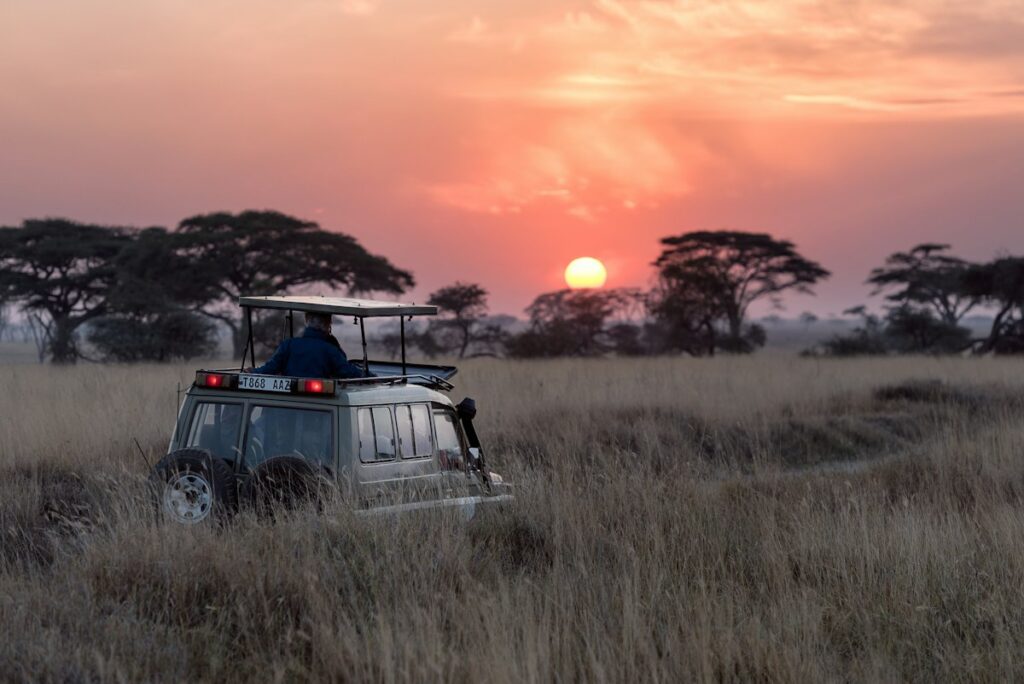
What separates the best places to see wildlife from an ordinary nature walk is density, diversity, and access. The best wildlife safari destinations combine healthy animal populations with guides, trails, and viewpoints that bring you close without disturbing the animals. Top wildlife viewing spots also protect their ecosystems, so your visit supports conservation rather than undermining it. When you pick from well-managed parks and reserves, you get better sightings — and the satisfaction of knowing your trip helps keep wild places wild.
This guide covers ten remarkable destinations, including several of the best national parks for wildlife on four continents. For each place you’ll learn which animals steal the show, when to go, and what kind of trip suits it best. There’s a comparison table lining up all ten side by side, a practical planning guide, and answers to the questions travelers ask most. By the end, you’ll know exactly which of the best places to see wildlife fits your budget, your travel style, and your dream animal list.
10 Best Places to See Wildlife Around the World
From the sweeping savannas of East Africa to misty northern forests, these ten destinations represent the very best places to see wildlife anywhere on the planet. Each one earned its spot through extraordinary animal encounters, strong conservation, and unforgettable scenery.
1. Serengeti National Park, Tanzania
The Serengeti is the benchmark against which all other best places to see wildlife are measured. Its endless grasslands host the great migration, when roughly 1.5 million wildebeest — plus hundreds of thousands of zebra and gazelle — move in a vast living river across the plains. Predators follow the herds, so lions, leopards, cheetahs, and hyenas are seen with remarkable regularity. Even outside migration season, resident wildlife keeps game drives thrilling every single day.
What makes the Serengeti one of the best wildlife safari destinations is sheer scale paired with expert guiding. Balloon safaris at dawn drift silently over the herds, while walking safaris with armed rangers reveal the small details that vehicles miss — from dung beetles to lilac-breasted rollers. Lodges range from classic tented camps to luxury lodges with plunge pools overlooking waterholes where elephants gather at dusk.
Plan your visit between June and October for the dramatic Mara River crossings, or January to March for calving season in the southern plains, when newborn wildebeest attract intense predator action. Allow at least four days inside the park, since distances are huge and the wildlife rewards patience. Combine it with the nearby Ngorongoro Crater for one of the densest concentrations of large mammals in Africa.
2. Maasai Mara National Reserve, Kenya
Kenya’s Maasai Mara packs an astonishing amount of wildlife into a relatively compact reserve, which is why many travelers call it the finest of the best places to see wildlife in Africa. The Mara River crossings — where wildebeest plunge through crocodile-filled waters — are among the most dramatic wildlife spectacles on Earth. Big cats thrive here too, and the open grasslands make leopards and cheetahs easier to spot than in denser bush.
The Mara stands out among top wildlife viewing spots because sightings come thick and fast. It is common to see four of the Big Five in a single morning drive, and the reserve’s healthy lion prides are famous worldwide. Maasai guides bring deep generational knowledge of animal behavior, reading tracks and alarm calls the way a musician reads sheet music. Cultural visits to Maasai villages add a human dimension that enriches the whole journey.
Visit from July to October to catch the migration herds at their peak, though resident game makes the Mara rewarding year-round. Hot-air balloon flights, night drives in conservancies bordering the reserve, and walking safaris all add variety. Stay in the private conservancies for fewer vehicles at sightings and the chance to go off-road, which the main reserve restricts.
3. Kruger National Park, South Africa
Kruger is one of the best national parks for wildlife for independent travelers, because its excellent road network lets you self-drive through Big Five country at your own pace. Roughly the size of a small country, the park holds an extraordinary density of mammals — from leopards draped over marula branches to vast buffalo herds kicking up dust at dawn. Its southern region around Skukuza offers the most reliable predator sightings.
Among the best places to see wildlife in Africa, Kruger wins on flexibility and value. Rest camps inside the park provide affordable lodging, restaurants, and shops, while private lodges in adjoining reserves deliver luxury walking safaris and off-road night drives. Guided game drives in open vehicles put you at eye level with elephants, and the park’s birdlife — with more than 500 species — keeps even mammal-focused visitors reaching for binoculars.
The dry winter months from May to September are prime time, as animals gather at shrinking water sources and thinner bush improves visibility. Summer brings newborn animals, dramatic skies, and migratory birds, though heat and tall grass make spotting harder. Book rest-camp accommodation months ahead for peak season, and consider splitting your stay between the wilder north and the game-rich south.
4. Yellowstone National Park, USA
Yellowstone proves you don’t need to cross an ocean to find world-class animal encounters, and it ranks among the best places to see wildlife in North America. The Lamar Valley — nicknamed America’s Serengeti — offers roadside views of wolf packs, grizzly bears, bison herds, and elk that rival anything in Africa for drama. Bison jams, where traffic pauses for a thousand-pound bull, are a rite of passage here.
What elevates Yellowstone among top wildlife viewing spots is the sheer variety packed into one park: wolves reintroduced in the 1990s now thrive, grizzlies fish for cutthroat trout, moose browse willow thickets, and bald eagles patrol the rivers. Rangers lead excellent wildlife-watching programs, and the park’s geothermal wonders mean you can watch Old Faithful erupt between bear sightings. Winter transforms the park into a snowy wonderland where wolves are easiest to spot against the white.
Visit the Lamar and Hayden valleys at dawn and dusk, when animals are most active and crowds are thinnest. Bring a spotting scope or join a guided wildlife safari for the best wolf viewing, since packs often hunt far from the road. Book lodging inside the park up to a year ahead for summer, or base yourself in gateway towns like Gardiner for easier access to the northern range. Learn more from the National Park Service’s Yellowstone pages.
5. Galapagos Islands, Ecuador
The Galapagos offer the most intimate wildlife encounters on this list, because the animals famously ignore humans. Giant tortoises lumber through highland mist, blue-footed boobies perform their comical courtship dance at arm’s length, and marine iguanas sneeze salt on black lava rocks. Few of the best places to see wildlife let you snorkel with sea lions that treat you as a playmate rather than a threat.
As one of the best wildlife safari destinations of a different kind, the Galapagos replace jeeps with small cruise ships and zodiac landings. Naturalist guides explain how isolation shaped finches, mockingbirds, and flightless cormorants, turning every walk into a living biology lesson. Underwater, the show continues with sea turtles, reef sharks, penguins, and schools of golden rays gliding through clear Pacific water.
Wildlife is superb year-round, so choose by preference: December to May brings warmer water and calmer seas, while June to November offers cooler weather and active seabird courtship. Book cruises 6 to 12 months ahead, since visitor numbers are strictly limited to protect the fragile ecosystem. Land-based stays on Santa Cruz, San Cristobal, and Isabela work well for budget travelers who still want daily guided excursions.
6. Ranthambore National Park, India
For tiger lovers, Ranthambore is arguably the most thrilling of the best places to see wildlife. The park’s Bengal tigers are famously relaxed around vehicles, and its ruined palaces, ancient banyan trees, and mirror-still lakes create the most photogenic big-cat habitat imaginable. Watching a tigress lead her cubs past a 1,000-year-old fort is pure storybook India.
Ranthambore ranks among the best national parks for wildlife in Asia because its open dhok forests and lakes make tigers genuinely findable. Sloth bears, leopards, marsh crocodiles, and sambar deer round out the cast, while painted storks and sarus cranes delight birders. The park divides into zones, and experienced guides know which waterholes and ridgelines each resident tiger favors — which dramatically improves your odds.
Tigers are easiest to spot from March to June, when heat concentrates them at water, though October to February offers pleasant weather and lush scenery. Take both morning and afternoon safaris in open gypsies or larger canters, and book several drives across different zones to maximize chances. Stay in heritage-style lodges on the park edge, and pair Ranthambore with the Taj Mahal for a classic north India circuit.
7. The Pantanal, Brazil
South America’s greatest wildlife secret is the Pantanal, the world’s largest tropical wetland and one of the best places to see wildlife for jaguar encounters. Jaguars here hunt caiman along riverbanks in daylight, giving visitors better odds of seeing the Americas’ biggest cat than anywhere else on Earth. Giant river otters, capybaras, tapirs, and hyacinth macaws complete a cast found nowhere else.
The Pantanal outshines the Amazon for actual sightings, which earns it a place among top wildlife viewing spots. Open marshes and river corridors concentrate animals where you can see them, unlike dense rainforest where wildlife hides. Boat safaris drift past caiman-lined banks, horseback rides cross flooded grasslands, and night drives reveal ocelots and crab-eating foxes in the spotlight beam.
The dry season from July to October is prime jaguar season, as receding waters pack wildlife along the rivers. Base yourself along the Transpantaneira highway in the north or near Porto Jofre, the undisputed jaguar capital. Allow four to five days minimum, since river safaris need time and weather can shuffle plans. Combine with Iguazu Falls for a spectacular Brazil wildlife itinerary.
8. Denali National Park, USA
Denali delivers raw Alaskan wilderness on a scale that humbles every visitor, securing its place among the best places to see wildlife in North America. Grizzly bears dig for ground squirrels on tundra slopes, caribou herds drift across valleys, Dall sheep dot impossible cliffs, and moose wade through ponds. With North America’s tallest peak looming over it all, the scenery alone justifies the journey.
What makes Denali one of the best national parks for wildlife is its single-road policy: private cars stop at mile 15, so everyone travels the 92-mile park road by bus — which keeps animals wild and viewing ethical. Drivers double as naturalists, stopping for every bear, wolf, or lynx spotted. The tundra’s openness means sightings often unfold over hundreds of yards, letting you watch natural behavior instead of fleeting glimpses.
Visit from mid-June to early September, when the road is fully open and animals are active. Book the longer transit or tour buses that reach Eielson or Wonder Lake for the best odds, and bring layers, since mountain weather changes hourly. Add a flightseeing trip around Denali’s summit for a perspective that ground travel simply cannot match.
9. Chobe National Park, Botswana
Chobe is elephant country on an epic scale, home to one of the largest elephant concentrations in Africa, and it rightfully belongs among the best places to see wildlife in Africa. In the dry season, herds hundreds strong crowd the Chobe River, drinking, bathing, and squabbling in clouds of spray. Buffalo herds, lions, and rare sable antelope add to a riverfront spectacle few parks can match.
Chobe distinguishes itself among the best wildlife safari destinations through its water-based game viewing. Boat cruises glide past elephants swimming between islands, hippos grunting in channels, and fish eagles snatching tilapia. The combination of morning land safaris and afternoon river cruises gives you two completely different perspectives in a single day. Nearby Victoria Falls makes an easy and spectacular add-on across the border.
Elephant concentrations peak from May to October along the riverfront near Kasane. Stay in Kasane for easy park access or splurge on a luxury river lodge for elephants at your doorstep. Day trips from Victoria Falls are possible but rushed; two full days lets you savor both boat and vehicle safaris at a relaxed pace.
10. Kaziranga National Park, India
Kaziranga shelters two-thirds of the world’s great one-horned rhinoceroses, making it one of the most important of the best places to see wildlife on Earth. Dawn mists rise off tall elephant grass as rhinos graze in open clearings, often with calves trotting beside their mothers. The park also holds dense tiger populations, wild water buffalo, swamp deer, and extraordinary birdlife.
Among top wildlife viewing spots in Asia, Kaziranga offers a safari style all its own: early-morning elephant-back rides and jeep safaris through grasslands that feel prehistoric. The Brahmaputra River shapes everything here, and river dolphins sometimes surface during boat excursions on the park’s edge. Local guides read the grass the way Serengeti guides read the plains, finding rhinos invisible to untrained eyes.
Visit from November to April, when the park is open and grass is short enough for good visibility. Book the central Kohora range for classic rhino country, and add the eastern Agoratoli range for birds and fewer vehicles. Combine Kaziranga with nearby tea estates for a journey through Assam’s culture as well as its wilderness.
Comparing the Best Places to See Wildlife
Use this side-by-side comparison of the best places to see wildlife to match each destination with your dream animals, travel season, and trip style.
Wildlife Safari Destinations: At-a-Glance Comparison
| Destination | Signature Wildlife | Best Time to Visit | Ideal Trip Style |
|---|---|---|---|
| Serengeti, Tanzania | Great migration herds, lions, leopards | June to October | Classic guided safari |
| Maasai Mara, Kenya | River crossings, big cats, rhinos | July to October | Safari plus culture |
| Kruger, South Africa | Big Five, wild dogs, 500+ bird species | May to September | Self-drive adventure |
| Yellowstone, USA | Wolves, grizzlies, bison herds | June to September | Road-trip wildlife watching |
| Galapagos, Ecuador | Giant tortoises, boobies, sea lions | Year-round | Small-ship expedition |
| Ranthambore, India | Bengal tigers, sloth bears, crocodiles | March to June | Guided tiger safari |
| Pantanal, Brazil | Jaguars, giant otters, macaws | July to October | River and ranch safari |
| Denali, USA | Grizzlies, caribou, Dall sheep | Mid-June to early Sept | Bus-based wilderness tour |
| Chobe, Botswana | Elephant herds, buffalo, sable | May to October | Boat and vehicle safari |
| Kaziranga, India | One-horned rhinos, tigers, buffalo | November to April | Jeep and elephant safari |
Wildlife Trip Planning Guide
The right planning turns a good wildlife trip into a great one. Here’s what matters most across the best places to see wildlife.
Time Your Visit to the Animals, Not the Calendar
Wildlife follows seasons, not holidays. Migration crossings, calving seasons, and dry-season concentrations dictate when the action peaks — the table above gives each destination’s prime window. Shoulder seasons offer lower prices and fewer vehicles, but the marquee spectacles happen on nature’s schedule. Book around the animals first, then fit the rest of your itinerary around that.
Choose Guides and Operators Carefully
A great guide is the difference between seeing a distant shape and understanding a hunt unfolding. Prioritize operators with certified, experienced guides, small group sizes, and strong conservation credentials. In Africa, private conservancies often deliver better sightings with fewer vehicles than public reserves. Read recent reviews, ask about guide qualifications, and favor companies that employ and train local people.
Pack for Patience and Early Mornings
Animals are most active at dawn and dusk, so embrace early starts — they’re non-negotiable on safari. Bring binoculars (8×42 is the sweet spot), a camera with real zoom, neutral-colored clothing, layers for cold mornings, and far more memory cards than you think you’ll need. A good spotting scope transforms Yellowstone wolf-watching. Learn about the species you’ll meet on Wikipedia’s Serengeti page before you go; background knowledge multiplies every sighting.
Travel Responsibly
Your visit should help wildlife, not harm it. Choose lodges and operators that fund anti-poaching and community conservation, never pressure guides to approach animals too closely, and follow park rules about noise, litter, and off-road driving. Well-managed tourism is one of conservation’s most powerful tools — make sure your money supports it. For marine wildlife encounters, see our best snorkeling destinations, and for aurora-side adventures, our northern lights guide.
FAQs: Best Places to See Wildlife
What is the best safari destination for first-timers?
The Maasai Mara or Kruger are ideal first safaris: dense, visible wildlife, excellent infrastructure, and reliable Big Five sightings. The Mara delivers classic guided-safari drama, while Kruger’s self-drive option suits independent travelers. Both offer strong value and straightforward logistics.
When is the best time to see the great migration?
River crossings in the northern Serengeti and Maasai Mara peak roughly June to October, while calving season in the southern Serengeti runs January to March. The herds move constantly, so match your timing to the specific spectacle you want — crossings or newborns and predator action.
Are safaris safe?
With reputable operators, yes. Professional guides are trained in animal behavior and safety protocols, vehicles are designed for viewing, and incidents are extremely rare. Follow your guide’s instructions — stay in the vehicle, keep quiet when asked, and never approach wildlife on foot outside designated walking safaris.
How much does a safari cost?
It varies enormously: self-drive Kruger can be done on a moderate budget, while luxury fly-in safaris in Botswana or Tanzania run into thousands per day. Mid-range guided safaris in Kenya, Tanzania, or South Africa offer the best balance of sightings and value for most travelers.
Can I see the Big Five outside Africa?
The Big Five (lion, leopard, elephant, buffalo, rhino) are African, but every continent has its own marquee wildlife: grizzlies and wolves in Yellowstone and Denali, tigers in Ranthambore, jaguars in the Pantanal, and giant tortoises in the Galapagos. Don’t fixate on one list — each destination’s cast is spectacular.
What’s the best wildlife destination in the USA?
Yellowstone for variety and accessibility — wolves, grizzlies, and bison in one park — and Denali for raw Alaskan wilderness. Both deliver world-class sightings without leaving the country, especially at dawn and dusk in peak season.
How far in advance should I book?
For peak-season safaris (migration crossings, Galapagos cruises), book 6–12 months ahead — lodges and permits sell out. Shoulder seasons offer more flexibility. Yellowstone in-park lodging also books up to a year ahead for summer.
Conclusion
The best places to see wildlife reward travelers who plan around the animals: the migration’s thundering herds, a tiger padding past ancient ruins, wolves coursing through Lamar Valley at dawn. Pick the destination that matches your dream species and travel style, go in the right season, choose responsible operators — and prepare for encounters you’ll be describing for the rest of your life.
Keep Exploring These Guides
Pair this guide with 10 Best Places to Snorkel Around the World, 10 Best Places to Scuba Dive in the World for Unforgettable Underwater Adventures, and 10 Best Places for Whale Watching in California: Where Giants Meet the Shore for the full nature-travel picture. Learn what your visit protects via World Wildlife Fund and the IUCN Red List.

2 thoughts on “10 Best Places to See Wildlife: Safaris and Parks”