
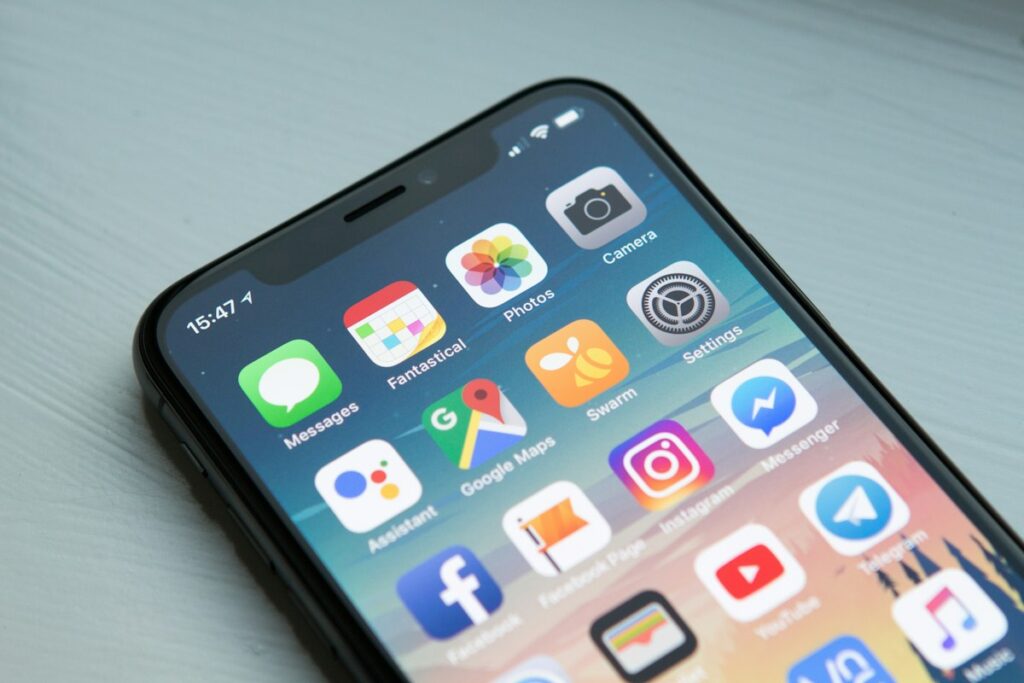
10 Best Inmate Text App Options That Work
When someone you love is incarcerated, staying in touch can feel like an uphill battle. Phone calls are often expensive and limited to short windows, visits require travel and strict scheduling, and letters take days to arrive. That’s why finding reliable inmate texting apps has become such a priority for families across the country. These services let you exchange written messages — and in many cases photos and short video clips — with an incarcerated loved one through an approved digital platform.
Unlike ordinary messaging tools, every inmate texting service operates inside the rules of a correctional facility. Messages pass through staff screening, accounts are tied to verified identities, and availability depends on the specific jail or prison where your loved one is housed. That means the best inmate texting app for your situation is simply the one your loved one’s facility actually supports.
This guide walks you through ten widely used inmate texting apps for family members, explains how these services differ from one another, and shows you how to choose without wasting money on credits you can’t use. We’ll also cover practical tips for keeping costs manageable, since per-message fees add up quickly when you write every day.
Before you sign up for anything, remember one golden rule: always confirm which service your facility uses first. Every option below is legitimate and widely used, but correctional systems contract with specific vendors, and no inmate texting service works everywhere. A quick check of your facility’s website or a call to the front desk will save you from funding the wrong account.
Table of Contents
- Why the Right Inmate Texting App Changes Everything
- 10 Best Inmate Texting Apps for Staying Connected
- Inmate Texting Apps Compared Side by Side
- How to Choose the Right Inmate Texting Service
- Inmate Texting App FAQs
- Final Thoughts
Why the Right Inmate Texting App Changes Everything for Families
Regular contact during incarceration isn’t just nice to have — research consistently links family connection with better outcomes for everyone involved. But the logistics are brutal: collect calls at steep per-minute rates, visiting hours that conflict with work, and mail that crawls. An inmate texting app compresses all of that friction into something you can do from your couch in two minutes.
The right service means daily check-ins instead of weekly ones, birthday photos instead of belated cards, and a thread of normal family life that keeps going despite the circumstances. The wrong service means money locked in an account your loved one’s facility doesn’t accept. That’s why this guide starts with fit, not features.
10 Best Inmate Texting Apps for Staying Connected
Below are ten of the most widely used services that let you text an inmate online or through a mobile app. Each one serves different facilities and offers a different mix of features — so read the details and match your choice to your loved one’s location.
1. Securus eMessaging
Securus is one of the largest communication providers in American corrections, and its eMessaging feature functions much like an inmate texting app for families. Loved ones create an account on the Securus website or mobile app, purchase message credits, and send text-based messages delivered to a kiosk or tablet inside the facility. Many locations also allow photo attachments, which makes birthdays and holidays feel a little more personal.
What sets Securus apart is its sheer reach. It serves a huge number of state and county facilities, so there’s a good chance it’s the approved vendor where your loved one is housed. The interface is straightforward, and message threads keep your conversation history organized. Keep in mind that pricing and photo availability vary by facility, and all messages are monitored by staff. If your facility partners with Securus, this is often the simplest and most direct way to text an inmate online.
2. GettingOut by ViaPath
GettingOut, operated by ViaPath, is another major inmate texting service with a strong presence in county jails. The platform supports text messaging, photo sharing, and — in many facilities — video visitation from the same account. That all-in-one design is convenient: you can switch between a quick message and a scheduled video call without juggling multiple logins or balances.
Setting up an account is free, and you add funds to pay for messages and visits. The mobile app is generally well reviewed for ease of use, which matters when grandparents or less tech-savvy relatives want to stay in touch too. As with every provider on this list, availability is facility-specific — so verify that your loved one’s jail uses ViaPath before adding money. When it’s supported, GettingOut is one of the most complete options for families who want messaging plus face time.

3. JPay
JPay has been a familiar name in corrections communication for years, offering email-style messaging that works like a simple inmate texting app. Families send messages through the JPay website or app, and incarcerated individuals read and reply on facility kiosks or tablets. The service also handles money transfers and music purchases in many locations, which keeps several needs in one place.
JPay stands out for its prepaid stamp model. You buy digital stamps and attach them to outgoing messages — and in many facilities, your loved one needs stamps to reply as well. That structure is worth understanding before you start, because reply costs can surprise new users. On the plus side, JPay supports photo attachments at many facilities and has a long track record of reliability. If your facility contracts with JPay, it remains one of the most dependable ways to maintain regular written contact.
4. ICSolutions Messaging
ICSolutions provides phone service to many correctional facilities and also offers messaging features that function as an inmate texting app in supported locations. Families create an account, fund it, and exchange messages through the company’s platform. The service is especially common in county jails, where short stays make quick digital contact especially valuable.
The main appeal of ICSolutions is simplicity. Account setup is quick, and the messaging interface doesn’t require much technical skill. Because the company also handles phone accounts, some families find it convenient to manage calls and messages under one roof. As always, confirm that the specific facility uses ICSolutions for messaging — not just for phone service, since the two are sometimes handled by different vendors. When both run through the same provider, life gets noticeably easier.
5. CorrLinks
CorrLinks is the email system used by the Federal Bureau of Prisons, making it the default inmate texting service for anyone with a loved one in federal custody. It’s text-only, with no photos or video, and messages are limited in length. Invitations work in reverse compared with most apps: the incarcerated person must add you as a contact and send an invitation before you can exchange messages.
While CorrLinks lacks the bells and whistles of commercial apps, it has two big advantages: it’s free to use, and it’s the only approved electronic messaging option in the federal system. Messages typically arrive within a few hours — far faster than postal mail — and the simple interface works fine on any device with a browser. If your loved one is in federal prison, skip the commercial inmate texting app search entirely and set up CorrLinks. The Federal Bureau of Prisons website explains how the system works.
6. Ameelio
Ameelio takes a different approach from the commercial giants. It’s a nonprofit technology organization that provides free communication tools to incarcerated people and their families, including messaging that works like a no-cost inmate texting app. The mission-driven model means families aren’t paying per-message fees, which removes one of the biggest barriers to staying connected.
Because Ameelio is newer and smaller than the legacy vendors, its facility coverage is still growing. It partners directly with departments of corrections and sheriffs’ offices to deploy its platform, so availability is expanding but not yet universal. Where it’s available, families praise the clean interface and the relief of zero messaging costs. If your loved one’s facility partners with Ameelio, it’s easily the most affordable way to text an inmate online. Check their facility list — via ameelio.org — before assuming it’s an option.

7. TextBehind
TextBehind solves a different problem. Instead of app-to-kiosk messaging, it digitizes physical mail. You upload photos, letters, or greeting cards through the TextBehind app or website, and the company prints and mails them to the facility — or delivers them digitally where facilities have gone mail-free. For families, it feels like a modern inmate texting service even though the last mile is traditional mail handling.
This service shines for photo sharing. Many facilities restrict what can be sent through messaging apps, but printed photos through an approved mail vendor usually pass inspection without trouble. TextBehind also offers legal mail and money order services, which can simplify several tasks at once. It’s not a real-time chat tool, so don’t expect instant back-and-forth. For thoughtful letters and photo drops that brighten a tough week, though, it’s a wonderful complement to a standard inmate texting app.
8. ConnectNetwork
ConnectNetwork, also operated by ViaPath’s parent company, focuses on trust-fund deposits but integrates with messaging services at many facilities. Families use it to send money for commissary and communication, and in supported locations the same account connects to GettingOut messaging. Think of it as the funding backbone behind the messages.
The reason ConnectNetwork earns a spot on this list is practical. Many families discover that messaging credits, phone funds, and commissary money all flow through this portal at their facility. Learning to navigate it means fewer declined transactions and faster funding when your loved one needs message credits to reply. If your facility uses ViaPath products, expect ConnectNetwork to be part of your routine. It’s less of a standalone inmate texting app and more of the wallet that keeps your messaging account working.
9. HomeWAV
HomeWAV specializes in video visitation for correctional facilities and includes messaging features that round out its offering as an inmate texting app alternative. Families schedule video visits through the platform and can exchange messages around those visits. It’s particularly popular with county jails that want an affordable visitation system.
The standout feature is cost. HomeWAV built its reputation on keeping video visit rates low compared with larger competitors, and that philosophy extends to its overall pricing. The scheduling system is simple, and visits can be joined from a phone, tablet, or computer. Messaging is more of a supporting feature than the main event here, so families who primarily want texting may prefer a dedicated messaging platform. For those who want regular face-to-face time with messages in between, HomeWAV is a strong pick.
10. Pigeonly
Pigeonly rounds out our list with a creative take on staying connected. Rather than pure app messaging, it lets families send printed photos, greeting cards, and letters through an easy online interface, and it offers low-cost phone services too. For families who find traditional inmate texting service pricing steep, Pigeonly’s print-and-mail model can be a budget-friendly way to share visual updates.
What makes Pigeonly appealing is its focus on the tangible. A printed photo on a bunk wall carries emotional weight that a kiosk screen sometimes can’t match. The service handles the printing and mailing logistics — you just upload from your phone. It also provides inmate lookup tools that help families confirm facility details before sending anything. Pair Pigeonly’s photo mail with a standard inmate texting app for daily messages, and you cover both the everyday and the heartfelt sides of staying connected.
Inmate Texting Apps Compared Side by Side
Use this table to compare the ten services at a glance. Focus on which features matter most to your family, then confirm facility support before creating an account.
| Service | Main Strength | Message Style | Extra Features |
|---|---|---|---|
| Securus eMessaging | Widest facility coverage | Text with photo attachments | Kiosks, tablets, phone accounts |
| GettingOut by ViaPath | Messaging plus video visits | Text, photos, video | Video visitation scheduling |
| JPay | Long track record | Email-style with stamps | Money transfer, music, tablets |
| ICSolutions | Simple county-jail coverage | Text messaging | Combined phone and message billing |
| CorrLinks | Free federal prison email | Text only | No-cost messaging |
| Ameelio | Free nonprofit messaging | Text messaging | Zero per-message fees |
| TextBehind | Photo mail digitization | Printed mail from uploads | Legal mail, money orders |
| ConnectNetwork | Funding and deposits hub | Links to messaging apps | Commissary and trust deposits |
| HomeWAV | Affordable video visits | Messages plus video | Low-cost visit scheduling |
| Pigeonly | Printed photos and cards | Mail-based sharing | Inmate lookup, low-cost calls |
How to Choose the Right Inmate Texting Service
Picking the best inmate texting app is less about features and more about fit. The wrong choice wastes money and time, while the right one keeps your family close. Work through the steps below before you fund any account.
Confirm Your Facility’s Approved Vendor
This is the single most important step. Correctional facilities sign exclusive contracts with communication vendors, so only one or two services will work where your loved one is housed. Check the facility’s official website, look for a friends-and-family or inmate-communication page, or call the facility directly. Never fund an account on an inmate texting app until you’ve confirmed it’s accepted. This one check prevents nearly every bad experience families report.
Understand the Real Cost of Messaging
Pricing models vary widely. Some charge per message, others use digital stamps, and a few are free. Ask how much each outgoing message costs, whether replies cost your loved one money too, and whether photo attachments carry an extra fee. Then estimate your monthly total based on how often you plan to write. A service that looks cheap per message can become expensive if you exchange twenty messages a day — so do the math for your actual habits. Keeping these costs inside a family budget matters; our household budgeting apps for families can help you plan for them.
Decide Which Features Matter to You
Think about how your family actually communicates. If quick daily check-ins are the goal, a simple text-focused inmate texting service is enough. If you want to share first-day-of-school photos or birthday moments, photo attachments become essential. If seeing faces matters most, prioritize a platform with video visitation. Make a short list of must-have features before comparing — and don’t pay for extras you’ll never use. The best inmate texting app for a teenager sending selfies is different from the best one for a grandmother who just wants to say goodnight.
Check Ease of Use for Everyone Involved
The person setting up the account is rarely the only one who’ll use it. Consider whether grandparents, young children, or less tech-confident relatives will also send messages. Look for services with simple mobile apps, clear funding instructions, and helpful customer support. A slightly more expensive inmate texting service with an intuitive app often delivers more actual connection than a cheaper one that frustrates half the family into giving up.
Know the Rules Before You Write
Every message sent through an inmate texting app is reviewed by facility staff, and each facility publishes its own list of prohibited content. Learn the rules about photos, language, and topics before your first message to avoid rejected messages or account flags. Common restrictions include explicit images, discussion of criminal activity, and contact with unauthorized third parties. When in doubt, keep messages warm, positive, and focused on family news. Understanding the boundaries keeps your account in good standing and your messages flowing.
Plan for the Long Haul
Staying connected is a marathon, not a sprint. Set a sustainable messaging rhythm and budget you can maintain for months — daily short notes beat an exhausting burst followed by silence. If costs are a concern, lean on free options like CorrLinks or Ameelio where available, and supplement with photo mail for special occasions. Tools from our productivity apps guide can even help you build messaging into your daily routine so no one gets forgotten.
Inmate Texting App FAQs
Can I really text an inmate online from my phone?
Yes, in most cases. When a facility contracts with a commercial vendor, families use an inmate texting app or website to send messages from a phone, tablet, or computer. Messages are delivered to a kiosk or tablet inside the facility rather than to a personal cell phone. Availability depends entirely on the facility’s vendor contract, so confirm which service your loved one’s location uses before signing up.
How much does an inmate texting service cost?
Costs vary by provider and facility. Some services charge per message or use digital stamps, while nonprofit options like Ameelio and federal CorrLinks are free. Photo attachments often cost extra. The best approach is to check the pricing page of the specific vendor your facility uses and estimate your monthly cost based on how frequently you plan to write. Always confirm pricing before funding an account.
Are messages on an inmate texting app private?
No. Assume every message is read by facility staff. All inmate communication systems include monitoring for security reasons, and most terms of service state this clearly. Never share sensitive personal information such as bank details, and avoid discussing anything related to legal cases. Treat every message as a postcard that staff will read, and keep the tone positive and family-focused.
Can my loved one reply to my messages?
Usually yes, but reply mechanics differ. On some platforms your loved one can reply freely once you initiate contact, while on others they need their own message credits or stamps to respond. Ask how replies are funded at your facility so your loved one isn’t stuck unable to answer. Keeping their message balance funded is one of the kindest things families do.
What if my facility doesn’t offer any messaging app?
Some smaller jails haven’t adopted digital messaging yet. In that case, traditional mail remains your best option, and services like TextBehind can digitize the sending process for you. Phone calls and in-person visits still work everywhere. You can also contact the facility or sheriff’s office to ask whether messaging services are being considered — family demand often drives adoption.
Can I send photos through an inmate texting app?
Many services allow photo attachments, but rules are strict. Facilities typically prohibit explicit images, photos with gang signs, or pictures containing other inmates. Some vendors charge extra per photo. Check your facility’s photo policy before sending, and when in doubt choose wholesome family pictures. Printed photo-mail services are a good backup when digital photo rules are unclear.
How do inmate texting apps handle message screening?
All inmate texting apps for family use include staff review of messages before delivery. Screening times vary by facility and staffing, ranging from minutes to several hours. Avoid prohibited topics and keep language clean to prevent delays. If a message seems stuck, check the app’s status indicators or contact customer support rather than resending repeatedly.
Can multiple family members share one inmate texting account?
Most services allow one account per approved visitor, and each adult typically needs their own verified account. This keeps identity verification clean and ensures messages are attributed correctly. Check your provider’s policy on adding family members — some services make it easy to link related accounts under one funding source, which simplifies budgeting for the whole family.
Final Thoughts
Staying connected during incarceration takes effort, but the right inmate texting app makes it far more manageable. Start by confirming your facility’s approved vendor, then choose the service that matches how your family communicates and what you can afford. Whether you pick a major provider like Securus or GettingOut, a free option like Ameelio or CorrLinks, or a photo-focused service like TextBehind or Pigeonly — consistency matters more than features.
Regular messages remind your loved one that family is waiting, and that connection supports everyone through a difficult time. If you’re building new routines around staying in touch, our guide to connection-focused apps and productivity apps roundup may help with the organizational side of family life.
